You Won’t Believe What I Found While Shopping in Canterbury
Strolling through Canterbury isn’t just about stepping back in time among ancient streets and cathedral spires—you have to experience its shopping scene. I didn’t expect to be so captivated, but every cobbled lane unveiled something special: handmade crafts, vintage treasures, and local flavors that tell real stories. This isn’t just retail—it’s a viewing experience, where every window display feels like art and every shop has a soul. Let me take you through the charm that makes shopping here unforgettable.
The Timeless Stage: Canterbury as a Living Backdrop for Shopping
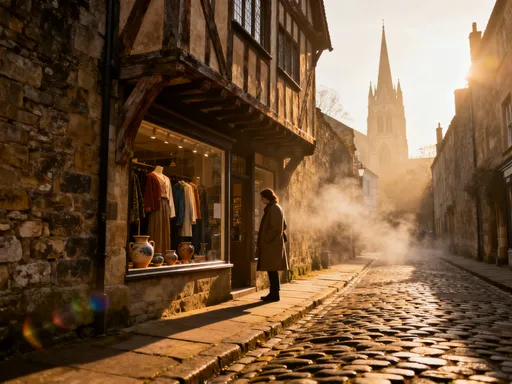
Canterbury is not merely a city; it is a living stage where history unfolds with every footstep. The medieval streets, lined with centuries-old stone buildings and shaded by overhanging timber-framed upper stories, create an atmosphere unlike any other shopping destination in England. As you walk along St. Peter’s Street, the sound of footsteps echoes softly against the cobbles, blending with distant chimes from the cathedral’s bells. This is not background noise—it is part of the experience, a sensory layer that transforms a simple stroll into a journey through time. The towering presence of Canterbury Cathedral, a UNESCO World Heritage Site, looms in the distance, its Gothic spires reaching skyward like silent guardians of tradition and continuity.
What makes shopping in Canterbury so uniquely compelling is how seamlessly commerce integrates into this historic environment. Unlike modern shopping centers that isolate consumers from their surroundings, Canterbury invites you to remain fully immersed in the city’s narrative. Each boutique, market stall, and independent shop exists within the fabric of the old town, often housed in buildings that have stood for hundreds of years. The architecture itself becomes part of the display—arched doorways, leaded windows, and weathered stone facades contribute to a sense of authenticity that no mall could replicate. Even the light here feels different: softer, golden in the late afternoon, casting long shadows across the pavement and illuminating shop signs in a way that feels almost cinematic.
Walking through the Buttermarket, once a hub for dairy trade in the 18th century and now a charming mix of small retailers and cafés, one cannot help but feel connected to generations of shoppers who came before. The layout of the city encourages slow movement—narrow lanes discourage rushing, inviting visitors to pause, look closely, and absorb details. A carved gargoyle above a shop entrance, a wrought-iron gate leading to a hidden courtyard, or a patch of ivy clinging to an ancient wall—all become part of the visual story. In Canterbury, shopping is not separate from sightseeing; it is an extension of it, a way to engage with history through the everyday act of browsing and discovering.
High Street Meets Heritage: Where Modern Retail Respects History
One might assume that national retail chains would clash with Canterbury’s historic character, but the city has mastered the delicate balance between modern convenience and architectural preservation. Brands like Marks & Spencer, WHSmith, and Waterstones operate within buildings that predate them by centuries, yet their presence feels harmonious rather than intrusive. This integration is no accident—it results from careful planning, respectful design choices, and a shared commitment to maintaining the city’s visual integrity. Shopfronts are adapted rather than replaced, with signage kept modest, colors chosen to complement surrounding stonework, and materials selected to echo traditional craftsmanship.
Take, for example, the Marks & Spencer store on St. Peter’s Street. Housed in a Grade II listed building, its façade retains original stone masonry and timber framing, while the interior layout has been thoughtfully reconfigured to meet contemporary retail needs without compromising structural heritage. The entrance features an arched doorway that dates back to the 1700s, now framed by subtle lighting that highlights its craftsmanship after dusk. Inside, exposed beams and restored wooden floors remind shoppers that they are not in a generic mall but within a building with its own long-standing story. Even the placement of mannequins and product displays is designed to work with the space’s natural flow, ensuring that history remains visible even amidst modern merchandise.
Similarly, WHSmith’s location near the Marlowe Theatre occupies a corner building with a distinctive octagonal turret, once part of a Victorian-era post office. The chain has preserved the building’s unique shape and restored its original clock face, turning what could have been a standard bookstore into a landmark in its own right. These thoughtful adaptations demonstrate that commercial viability does not require sacrificing authenticity. On the contrary, they enhance the shopping experience by grounding familiar brands in a sense of place. For visitors, especially those unfamiliar with English heritage towns, these details offer quiet lessons in architectural appreciation—how old and new can coexist with dignity and purpose.
Hidden Courtyards and Secret Arcades: Shopping Beyond the Main Streets
Away from the bustle of the high street, Canterbury reveals quieter, more intimate shopping spaces that feel like well-kept secrets. The Whitefriars Shopping Centre, nestled behind the Marlowe Theatre, is one such gem. Once the site of a medieval Carmelite monastery, the area was redeveloped in the 1970s with a focus on blending contemporary functionality with historical sensitivity. Its glass-roofed walkways allow natural light to flood the interior, creating a bright, airy atmosphere that contrasts pleasantly with the often-gray English skies. The layout is designed to encourage leisurely exploration, with wide pathways, potted plants, and benches placed at intervals for rest and reflection.
What sets Whitefriars apart is its emphasis on ambiance. Unlike sprawling malls that prioritize efficiency, this center moves at the pace of the city itself—slow, deliberate, unhurried. Independent retailers line the corridors, offering everything from artisan chocolates to handcrafted stationery, while larger stores like Debenhams (prior to its reconfiguration) once anchored the space without dominating it. The architecture plays a crucial role: the curved glass ceiling, supported by slender steel beams, evokes the vaulted naves of nearby churches, subtly reinforcing the spiritual lineage of the site. Even the flooring—polished stone in warm earth tones—echoes the textures found in Canterbury’s ancient streets.
Another hidden delight is the King’s Mile arcade, a covered passage connecting the High Street to the Dane John Gardens. This elegant Victorian-era structure features ornate ironwork, stained glass panels, and a gently arched roof that filters sunlight into soft patterns on the ground below. Walking through it feels like entering a different world—one where time slows and attention turns inward. Small boutiques occupy the units on either side, each with carefully curated window displays that resemble miniature art exhibitions. A florist might arrange seasonal blooms into a living sculpture; a jeweler could present necklaces on velvet stands under focused lighting, turning precious stones into objects of contemplation. These spaces prove that shopping need not be transactional to be meaningful—it can be aesthetic, meditative, even reverent.
Independent Gems: Stores That Tell a Story
While national retailers provide familiarity, it is Canterbury’s independent shops that give the city its true personality. Tucked into centuries-old buildings with uneven floors and creaking floorboards, these boutiques offer more than products—they offer narratives. One such example is a family-run bookshop on St. Margaret’s Street, housed in a former merchant’s house dating back to the 1600s. Its narrow shelves, crammed floor to ceiling with secondhand titles, exude warmth and character. The scent of aged paper and leather bindings fills the air, and handwritten recommendation cards tucked between volumes make each visit feel personal. Here, browsing is an act of discovery, not just consumption.
Equally captivating are the craft shops specializing in handmade ceramics, textiles, and jewelry. In a small lane near the River Stour, a pottery studio showcases mugs, bowls, and vases glazed in earthy tones inspired by the Kentish countryside. Each piece bears the maker’s mark, often stamped subtly on the base, turning functional objects into heirlooms. Window displays are arranged with the care of museum curators—grouped by color palette, texture, or theme—inviting passersby to stop and admire not just the item, but the intention behind it. These shops often host seasonal exhibitions or workshops, further deepening community ties and allowing visitors to engage directly with local artisans.
Another standout is a vintage clothing store located in a converted apothecary building, where original wooden drawers now hold carefully sorted garments from the 1950s to the 1990s. The owner, a longtime resident with a deep knowledge of fashion history, offers quiet guidance without pressure to buy. Her passion is evident in the way she folds scarves, arranges hats on stands, and labels items with notes about fabric origin or design era. In such places, shopping becomes a dialogue—a quiet exchange of stories between visitor and keeper. It is here that one begins to understand how retail, when rooted in care and craftsmanship, can become a form of cultural preservation.
The Market Square: A Living Canvas of Color and Craft
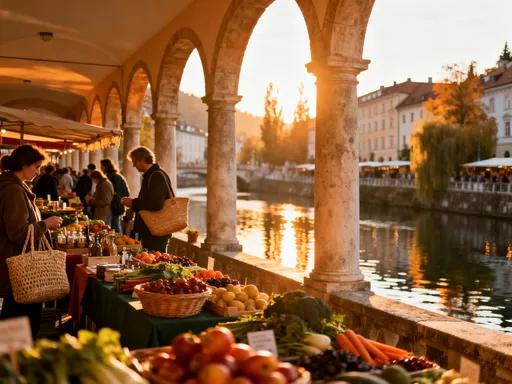
No exploration of Canterbury’s shopping culture would be complete without a visit to the historic Market Square, the city’s commercial heart for over 900 years. Operating six days a week, the market transforms the central plaza into a vibrant tapestry of color, scent, and sound. More than 100 stalls stretch across the open space, offering everything from locally grown vegetables and artisan cheeses to handmade soaps and woven baskets. The energy here is palpable—vendors call out specials in friendly voices, children peer into crates of fresh strawberries, and couples pause to sample warm, buttery pastries from a bakery stand.
What distinguishes the Canterbury Market is its authenticity. Unlike tourist-focused bazaars that prioritize souvenirs, this is a working market deeply embedded in daily life. Locals come to shop, farmers bring their harvest, and small-scale producers use the space to build loyal customer bases. The seasonal rhythm is evident: spring brings bundles of asparagus and daffodils; summer overflows with cherries, tomatoes, and lavender; autumn displays crates of apples and pumpkins; winter features spiced cider, mulled wine, and hand-knitted woolens. Each visit offers a different palette, a different mood, a different connection to the land and its cycles.
The visual impact is equally striking. Stalls are draped in striped awnings, their colors coordinated in a way that feels festive without being garish. Fresh produce is arranged in neat pyramids—red peppers beside golden squash, green herbs tied in bundles, plump mushrooms nestled in straw. Cheese vendors display wheels of cheddar, brie, and blue in wooden crates, often offering small tastes on toothpicks. Handicraft stalls feature woven textiles, leather goods, and pottery, each item bearing the mark of human hands rather than factory lines. For the observant traveler, the market is not just a place to buy—it is a living gallery of regional identity, a celebration of skill, seasonality, and community resilience.
Seasonal Shifts: How Festivals and Events Transform the Shopping View
Throughout the year, Canterbury’s shopping landscape undergoes magical transformations during festivals and seasonal celebrations. The most anticipated of these is the annual Christmas market, which turns the city into a winter wonderland. Timber-framed stalls appear in the Market Square and along Palace Street, glowing with fairy lights and adorned with wreaths and pine garlands. The scent of roasted chestnuts and spiced wine drifts through the air, mingling with carols sung by local choirs. Shoppers wrap themselves in scarves and gloves, sipping hot chocolate as they browse hand-carved ornaments, felted toys, and locally made preserves.
What makes the Christmas market special is not just the merchandise, but the atmosphere it creates. Lighting plays a central role—strings of bulbs drape across streets, illuminating ancient facades in a warm golden hue. The cathedral itself becomes part of the display, its west front lit dramatically at night, casting long shadows across the square. Even everyday shopping areas feel enchanted: the Buttermarket takes on a storybook quality, while the King’s Mile arcade twinkles like a corridor from a Victorian novel. These temporary installations do not overwhelm the city’s character; instead, they enhance it, layering seasonal magic onto an already rich historical canvas.
Other events, such as the Canterbury Festival in autumn, bring a different kind of energy. Pop-up stalls appear in Westgate Gardens, selling handmade jewelry, prints, and literary gifts. Street performers—musicians, magicians, living statues—add movement and surprise to commercial zones, turning shopping into an interactive experience. During these times, the boundary between retail and entertainment blurs, inviting visitors to linger, watch, and participate. The city does not shut down for tourism—it opens up, revealing new dimensions of itself through celebration. These moments remind us that shopping, at its best, is not isolated from culture; it is woven into it, responsive to rhythm, ritual, and renewal.
The Art of Pausing: Why Shopping Here Feels Like Sightseeing
In a world increasingly dominated by fast fashion, online algorithms, and instant gratification, Canterbury offers a rare alternative: shopping as a mindful practice. Here, the act of looking is as important as the act of buying. The city’s layout, with its narrow lanes, hidden courtyards, and frequent staircases, naturally slows the pace. There are no escalators to rush you forward, no flashing digital billboards demanding attention. Instead, beauty reveals itself gradually—in the curve of a wrought-iron gate, the pattern of a tiled floor, the way sunlight hits a stained-glass window above a boutique door.
This environment cultivates a different kind of consumer—one who observes, reflects, and appreciates. A window display is not just an advertisement; it is a composition, a still life meant to be studied. A market stall is not just a vendor; it is a stage for storytelling, where the maker’s hands, the origin of materials, and the season’s harvest all come into view. In such moments, shopping transcends utility and becomes a form of cultural observation, a way to understand a place through its objects, its rhythms, its values.
For the thoughtful traveler, especially those seeking meaningful experiences over mass-produced souvenirs, Canterbury offers something profound. It invites you to see commerce not as a transaction, but as a dialogue—one that connects past and present, local and visitor, maker and user. Every purchase carries context; every stroll holds revelation. To shop in Canterbury is not merely to acquire, but to witness, to remember, to belong, if only for a moment, to a city that honors its history with every carefully preserved stone and every handcrafted treasure in a sunlit window.