You Won’t Believe What I Discovered in Dublin’s Cultural Heart
Dublin isn’t just pint glasses and historic walls—it’s a living, breathing cultural adventure. From spontaneous trad music sessions to hidden bookshops whispering with literary ghosts, I dove into experiences that turned streets into stories. If you think you know Dublin, think again. This is culture you feel in your bones, not just see. Let me take you through the real, raw, and radiant soul of the city. It’s a place where every alley hums with history, where conversation flows as freely as the rain, and where visitors are welcomed not as tourists, but as temporary neighbors in a centuries-old story still being written.
The Pulse of Dublin: Why Culture Lives in the Streets
Dublin’s culture doesn’t live behind glass cases or within museum walls—it breathes in the open air, carried on the wind between red-brick Georgian houses and along the Liffey’s gentle current. The city pulses with a rhythm all its own, shaped by generations of poets, rebels, musicians, and storytellers whose legacy lingers in everyday moments. You’ll hear it in the laughter spilling from a corner pub, see it in the handwritten poetry taped to a café window, and feel it when a stranger quotes Oscar Wilde while waiting for the bus. Unlike larger, more polished capitals, Dublin doesn’t perform its culture—it simply lives it.
What makes this possible is the city’s human scale. Most of Dublin’s cultural heart lies within a compact, walkable center, where a morning stroll from O’Connell Street to St. Stephen’s Green can unfold like a novel chapter by chapter. You don’t need a guided tour to stumble upon magic—just the willingness to wander. A sudden burst of fiddle music from an open pub door, a debate over Irish history at a local newsstand, or the scent of fresh brown bread from a family-run bakery—these are the true markers of Dublin’s cultural identity. It’s intimate, unscripted, and deeply personal.
This authenticity is rooted in history. Dublin has long been a city of resistance and expression, from the 1916 Easter Rising to the literary boom of the early 20th century. That spirit of inquiry and independence still echoes today, not in grand monuments, but in the way people speak, create, and connect. The city’s past isn’t preserved as a relic—it’s actively remembered, debated, and reimagined. That’s why visitors often leave feeling changed, not because they’ve seen famous sights, but because they’ve been part of something alive.
For the 30- to 55-year-old traveler—often balancing curiosity with a desire for meaningful experiences—Dublin offers something rare: depth without pretense. You don’t need to be a scholar or an artist to participate. All it takes is presence. Whether you’re sipping tea in a quiet park or sharing a story with a local over a pint, the city invites you in. And once you’re inside, you begin to understand: Dublin’s culture isn’t something you observe. It’s something you join.
Literary Trails: Walking in the Footsteps of Giants
To walk through Dublin is to walk through pages of literature. This city has produced more Nobel laureates in literature than nearly any other capital, and their presence lingers like ink on parchment. From James Joyce and W.B. Yeats to Samuel Beckett and Seamus Heaney, Dublin’s writers didn’t just describe the world—they shaped how we see it. Today, visitors can trace their footsteps not through dry exhibits, but through living experiences that bring their words to life.
The Dublin Writers Museum, though currently closed for relocation, has long celebrated this legacy, and its spirit lives on in other spaces. Trinity College’s Old Library remains a must-see, home to the Book of Kells—a manuscript so rich in color and detail it feels almost otherworldly. But beyond the exhibit, the library itself is a sanctuary of quiet thought, where students still study beneath vaulted ceilings, and the air smells faintly of old paper and polish. It’s a place where history isn’t frozen—it’s ongoing.
More immersive experiences await outside museum walls. The James Joyce Centre offers guided walks through locations from Ulysses, allowing visitors to follow Leopold Bloom’s journey on June 16, 1904—the real date behind the novel’s fictional events. These Bloomsday walks are more than literary tourism; they’re participatory acts, where reading aloud on a Dublin street corner becomes a form of connection across time.
Then there are the quieter moments: ordering a coffee at Café en Seine, once a favorite haunt of Beckett, or browsing the shelves of Hodges Figgis, one of Ireland’s oldest bookshops, where first editions sit beside modern poetry collections. Some of the most powerful literary encounters happen spontaneously—like hearing a snippet of Yeats recited during a pub gathering or finding a free poetry reading in a backroom of the Abbey Theatre. These aren’t performances for tourists; they’re part of Dublin’s everyday cultural rhythm.
For families and thoughtful travelers, these experiences offer more than entertainment—they provide continuity. Parents can share stories of Irish literature with their children, not through textbooks, but through place. A walk past Oscar Wilde’s childhood home, a visit to the Dublin City Library where local authors host talks, or even buying a postcard with a famous quote—each small act ties the present to the past. Dublin doesn’t just honor its writers. It keeps them in conversation.
Trad Music Sessions: Where Spontaneity Meets Soul
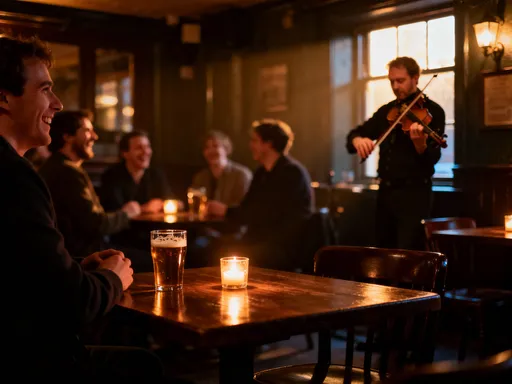
If Dublin has a heartbeat, it beats in the rhythm of a fiddle, the tap of a bodhrán, and the rise of a shared chorus. Traditional Irish music—known locally as “trad”—isn’t a show. It’s a living tradition, passed down through families and played in pubs where the audience isn’t separated from the musicians by stages or ticket barriers. It’s raw, communal, and deeply emotional.
Some of the most authentic sessions happen on ordinary weeknights. O’Donoghue’s on Merrion Row, famously where The Dubliners began, still hosts nightly gatherings where fiddles, flutes, and banjos fill the air. The Cobblestone in Smithfield is another treasure, a no-frills pub where musicians gather at the bar, passing instruments and tunes like old friends. There’s no cover charge, no spotlight—just music that begins when someone pulls out a tin whistle and ends when the last voice trails off into laughter.
What makes these sessions special is their inclusivity. Visitors aren’t expected to stay silent or still. Clapping along, humming a tune, or even joining in a simple chorus is part of the tradition. It’s not about perfection—it’s about participation. For many, the most powerful moment comes not during a fast reel, but in the quiet lull of a sean-nós (old-style) song, sung in Irish, where the emotion transcends language.
Finding a real trad session means looking beyond Temple Bar’s louder, tourist-focused pubs. While that area has its charm, the most genuine music often happens in neighborhood spots like Devitt’s, Kavanagh’s, or Fogarty’s—places where regulars nod to the musicians and the atmosphere feels like a family gathering. These are the spaces where Dublin’s soul is most audible.
For older travelers and those seeking meaningful connection, these evenings offer more than entertainment. They offer belonging. There’s a dignity in shared silence between songs, a warmth in the way a fiddler smiles at a child dancing in the corner, and a comfort in knowing that this tradition continues, not for profit, but for love. In a world of digital noise, Dublin’s trad sessions are a reminder of what it means to be truly present.
Hidden Cultural Gems: Off the Beaten Path
Beyond the guidebook highlights lie Dublin’s quietest, most rewarding treasures—places where culture isn’t advertised, but lived. These hidden gems offer intimacy, reflection, and the kind of serendipity that turns a good trip into a great one. They’re where locals go to remember, create, and breathe.
The Little Museum of Dublin, tucked into a Georgian townhouse on St. Stephen’s Green, is one such place. Entirely volunteer-run, it tells the story of 20th-century Dublin through donated objects—a letter from U2, a tram ticket from 1920, a child’s drawing from the 1960s. What makes it powerful is its humanity. There are no voiceovers or flashing screens—just stories told by people who lived them. For visitors, it’s like being invited into someone’s family album.
Another quiet haven is the Iveagh Gardens, often called Dublin’s secret garden. Nestled behind the Royal Hospital Kilmainham, this peaceful retreat features fountains, tree-lined paths, and a sunken garden rarely crowded with tourists. It’s the kind of place where you might sit for an hour with a book, watch ducks glide across a pond, or listen to birdsong uninterrupted. In a busy city, such stillness is its own form of culture.
For hands-on experiences, craft workshops in restored Georgian homes offer opportunities to learn traditional skills—lace-making, calligraphy, or even bodhrán drumming. These aren’t commercial classes but community-led sessions, often hosted by retirees or artists passionate about keeping old ways alive. Similarly, independent galleries in neighborhoods like Ranelagh or Dalkey showcase local painters and sculptors, offering a glimpse into contemporary Irish creativity beyond the mainstream.
Even cafés can be cultural sanctuaries. Places like Café Siano or The Fumbally feature local art on the walls, host open-mic nights, and serve food made with Irish ingredients. They’re spaces where creativity is nurtured, not performed. For travelers seeking depth, these quiet corners provide balance—moments of calm that make the livelier experiences even more meaningful.
Food & Culture: More Than Just Fish and Chips
In Dublin, eating is storytelling. The city’s culinary scene has undergone a quiet revolution, one that honors tradition while embracing new influences. Gone are the days when Irish food meant only boiled potatoes and stew. Today, Dublin’s kitchens celebrate heritage through innovation—smoked salmon from the west coast, artisanal cheeses from County Cork, and brown bread baked daily in neighborhood ovens.
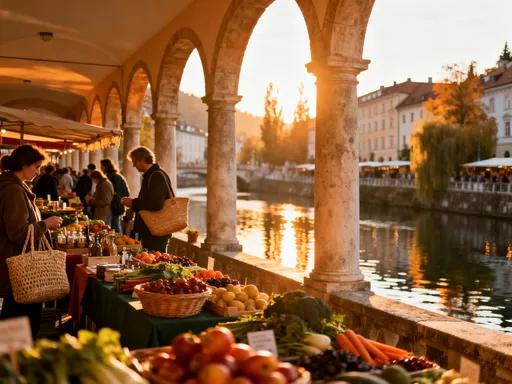
The Temple Bar Food Market, open every Saturday, is a vibrant showcase of this shift. Under colorful awnings, vendors sell fresh oysters, handmade chutneys, organic vegetables, and baked goods infused with Irish whiskey or blackberries from the hedgerows. But more than the food, it’s the people behind the stalls who make the experience rich. Many have farmed the same land for generations, and they’re happy to share stories about their craft—how they smoke their fish, why they use raw milk in their cheese, or how their grandmother’s recipe became a family business.
Gastropubs have also transformed the dining landscape. Places like The Woollen Mills or L. Mulligan Grocer offer elevated takes on Irish classics—lamb stew with rosemary dumplings, boxty pancakes filled with wild mushrooms, or seafood chowder made with local mussels. These aren’t tourist traps. They’re neighborhood institutions where regulars debate rugby over pints and visitors are welcomed like friends.
For travelers, sharing a meal in Dublin is an act of connection. Ordering a dish and asking, “What’s special about this?” can lead to conversations that last far longer than the meal. It’s not uncommon for a chef to come out and explain their sourcing, or for a server to recommend a favorite family recipe. In these moments, food becomes dialogue—a way of learning about a place through taste, memory, and care.
Festivals & Seasonal Rhythms: Timing Your Visit for Impact
Dublin’s cultural calendar is rich and varied, offering distinct experiences depending on the season. For travelers planning a meaningful visit, timing can make all the difference. Each festival brings its own energy, from the joyful chaos of St. Patrick’s to the reflective calm of Christmas in the city.
St. Patrick’s Festival, held every March, is the most famous—and for good reason. What began as a religious observance has grown into a multi-day celebration of Irish identity, featuring parades, street performances, light installations, and community events. The city transforms, with green lights glowing on bridges and spontaneous music filling the air. While crowds are large, the atmosphere is inclusive and family-friendly, with activities designed for all ages.
For those who prefer sophistication, the Dublin Theatre Festival in autumn showcases cutting-edge performances from Irish and international companies. Held in venues from the Gaiety Theatre to intimate black-box spaces, it’s a chance to see bold new work in a supportive, engaged environment. Similarly, the Dublin Literary Festival celebrates the city’s writing legacy with readings, workshops, and conversations that draw authors and readers from around the world.
One of the most special events is Culture Night, held annually in September. On this evening, museums, galleries, and performance spaces open their doors for free, offering everything from jazz concerts in libraries to dance workshops in historic buildings. The city becomes a stage, and everyone is invited. It’s a rare opportunity to experience Dublin’s cultural institutions without barriers.
Practical tips for festival visits include booking accommodations early, dressing in layers for Ireland’s unpredictable weather, and embracing spontaneity. Many of the best moments happen off-schedule—a street musician playing during a downpour, a free poetry reading in a bookstore, or a neighbor inviting you to share a slice of homemade cake. These unplanned encounters often become the most cherished memories.
Making It Your Own: Building a Meaningful Cultural Journey
The most rewarding way to experience Dublin is not as a spectator, but as a participant. This doesn’t require fluency in Irish or a deep knowledge of history—just openness, respect, and a willingness to engage. A meaningful cultural journey balances planning with serendipity, must-see sites with unexpected discoveries.
Start with a framework: choose a few key experiences—perhaps a literary walk, a trad session, and a visit to a local market—but leave room for chance. Allow yourself to follow a fiddle tune down an alley, to linger in a quiet churchyard, or to accept an invitation from a local. These unplanned moments often carry the deepest resonance.
Engagement matters. Thank a musician after a session. Buy a book from an independent shop. Learn to say “Go raibh maith agat” (thank you) in Irish. These small acts build bridges. They signal that you’re not just passing through, but seeking connection. Dubliners notice—and often respond with warmth and generosity.
For families and mature travelers, this approach fosters lasting memories. Children remember the pub where they clapped along to a song, not the museum they rushed through. Parents cherish the conversation with a vendor who shared her family’s recipe, not the souvenir they bought online. These are the experiences that stay with you, not because they were perfect, but because they were real.
Dublin is not a checklist. It’s a conversation—one that has been going on for centuries. When you visit, you’re not just observing culture. You’re stepping into it. Listen closely. Respond with kindness. And when you leave, carry a piece of Dublin’s soul with you—not in a bag, but in your heart.