Beyond the City: Bucharest’s Best-Kept Natural Escapes
Bucharest isn’t just about grand architecture and buzzing streets—just beyond the urban sprawl lie breathtaking natural escapes. From peaceful wetlands teeming with birds to lush forests perfect for weekend hikes, the city offers easy access to nature’s calm. I was blown away by how quickly you can go from city chaos to serene landscapes. This isn’t your typical capital experience—it’s a hidden side of Romania most travelers never expect. While many capitals are defined by their monuments and metro lines, Bucharest carries a quieter, wilder heartbeat just beneath the surface. Within half an hour of the city center, you can find yourself surrounded by reeds swaying in the wind, the distant call of a kingfisher, or the soft crunch of pine needles underfoot. These natural refuges aren’t just scenic add-ons—they are vital sanctuaries that enrich both the environment and the human spirit.
Reimagining Bucharest: More Than a Concrete Jungle
Bucharest is often portrayed as a bustling metropolis of honking taxis, wide boulevards, and late-night cafés. While that image holds truth, it captures only one dimension of the city. Just beyond the ring roads and apartment blocks, a surprising network of green spaces unfolds—offering tranquility, biodiversity, and a fresh perspective on urban life. The capital’s location on the southern plains of Romania places it near several significant natural corridors, including remnants of the Danube’s ancient floodplains and forested riverbanks that have resisted urban expansion. This proximity allows residents and visitors alike to experience nature not as a distant luxury, but as an accessible part of daily life.
One of the most remarkable examples is the Văcărești Delta, a spontaneous wetland born from an abandoned communist-era canal project. When construction halted in the 1980s, nature took over. Over decades, waterways formed, marshes expanded, and wildlife returned—creating what is now one of Europe’s rarest urban wildernesses. In 2016, after years of advocacy by environmental groups, it was officially declared a nature park. This transformation from failed infrastructure to thriving ecosystem illustrates how nature can reclaim space when given the chance. It also challenges the assumption that cities and wild spaces must exist in opposition.
What makes Bucharest’s green escapes unique is their authenticity. Unlike manicured city parks or tourist-focused reserves, these areas often feel untouched and uncurated. There are no souvenir shops at the trailhead, no timed entry tickets, and rarely even a visitor center. Instead, you’ll find locals walking dogs along muddy paths, birdwatchers with binoculars tucked into raincoats, and children chasing dragonflies near the water’s edge. This lack of commercialization adds to the sense of discovery, making each visit feel personal and intimate. For women in their 30s to 50s—many balancing family, work, and self-care—these spaces offer something invaluable: a quiet moment to breathe, reflect, and reconnect.
The Văcărești Nature Park: A Wild Heart in the City
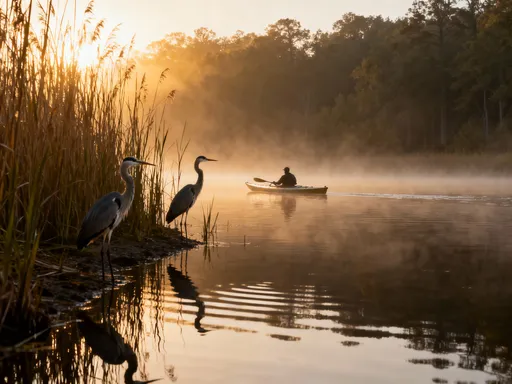
Spanning 188 hectares, Văcărești Nature Park is a sanctuary where city noise fades into the rustle of reeds and the splash of hidden creatures. Known locally as “the Delta,” this wetland is home to over 90 bird species, including purple herons, black-crowned night herons, and the elusive bittern. Migratory birds use it as a stopover during spring and autumn, turning the skies into a living map of seasonal change. The park’s network of waterways, ponds, and marshy meadows supports not only birds but also amphibians, fish, and rare plant species like yellow iris and floating sweetgrass.
Visitors can explore the park via wooden boardwalks that wind through tall reeds, offering elevated views without disturbing the fragile soil below. Kayaking is increasingly popular, especially in early morning when the water is still and mist hovers above the surface like a soft veil. Paddling through narrow channels, you might spot a kingfisher darting between branches or a family of moorhens leading their chicks through sheltered coves. For those who prefer solid ground, well-marked trails circle the main lake, connecting observation points and quiet benches ideal for contemplation.
The park’s history adds depth to its beauty. Originally intended as a navigable canal linked to the Dâmbovița River, the project was abandoned due to engineering flaws and shifting political priorities. For years, the area was neglected, used informally by locals for fishing and walking. But in the 2000s, biologists began documenting its ecological value, revealing a complex habitat formed entirely by natural processes. Grassroots campaigns followed, culminating in national protection status. Today, Văcărești stands as a symbol of what happens when communities fight for nature—and win. It also serves as a reminder that sometimes, the most valuable landscapes are those we didn’t plan to create.
Ialomita River & The Danube Floodplain: Waterways to Serenity
A short drive northeast of Bucharest leads to the Ialomita River, a gentle waterway that flows through lowland forests before joining the mighty Danube. This region, part of the larger Danube floodplain system, is one of Romania’s most ecologically rich zones. The seasonal flooding sustains dense woodlands of willow, poplar, and oak, creating a mosaic of habitats that support otters, beavers, wild boar, and numerous bird species. It’s a landscape that moves to the rhythm of water rather than the clock—a place where time slows and senses sharpen.
Cycling along the riverbanks is a favorite activity, with flat, unpaved paths weaving through shaded groves and open meadows. Bikes can be rented in nearby towns like Fundeni or Periș, and routes are clearly marked for varying skill levels. Birdwatchers often set up near quiet bends in the river, hoping to catch sight of the pygmy cormorant or the glossy ibis—both rare elsewhere in Europe. For families, the area offers safe swimming spots in calm backwaters and perfect picnic clearings under ancient trees.
Along the banks, small fishing villages preserve a way of life that feels generations removed from the capital. Houses with wooden shutters and flower-filled gardens sit beside boats pulled ashore, their nets drying in the sun. Locals sell fresh fish, honey, and homemade preserves at roadside stands, welcoming visitors with quiet warmth. These communities depend on the health of the river and surrounding forests, making them natural stewards of conservation. Their presence adds cultural richness to the natural experience, reminding us that people and nature can thrive together when balanced with care.
Snagov Lake: Forest Retreat with Royal History
Snagov Lake, nestled in a pine forest about 40 kilometers north of Bucharest, is one of the capital’s most beloved weekend escapes. Connected to the mainland by a narrow causeway, the lake’s island holds a 15th-century Orthodox monastery said—though not confirmed—to be the burial place of Vlad III, also known as Vlad the Impaler. Whether or not the legend is true, the site carries an aura of quiet reverence. The monastery’s whitewashed walls and green-tiled roof rise gently above the trees, its bells echoing softly across the water.
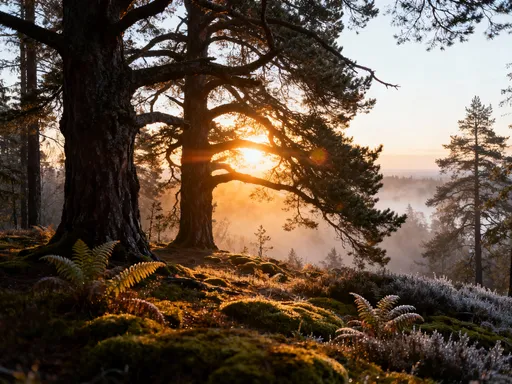
The surrounding forest is crisscrossed with walking trails, many shaded and fragrant with pine resin. Paths loop around the lake and extend into deeper woods, where deer tracks and bird calls mark the presence of unseen wildlife. Local guesthouses offer simple but comfortable stays, serving traditional meals like brânză de burduf (smoked cheese), mămăligă (polenta), and freshly caught fish grilled over open flames. Meals are often shared at long wooden tables, fostering a sense of community among guests.
For many women visiting from the city, Snagov offers more than scenery—it provides a space for emotional reset. The combination of physical activity, natural beauty, and cultural authenticity creates a restorative experience. Whether walking in silence at dawn, sipping herbal tea on a porch, or joining a guided meditation session offered by some eco-lodges, visitors often describe feeling a deep sense of calm. The lake’s still surface reflects not just the sky, but also the inner stillness that so many seek in a busy world.
Choosing the Right Escape: Matching Nature to Your Mood
One of the greatest strengths of Bucharest’s natural offerings is their variety. Each destination serves a different need, allowing visitors to choose based on mood, energy level, and intention. For those seeking solitude and reflection, the boardwalks of Văcărești Nature Park provide a meditative atmosphere, where the only sounds are wind, water, and distant bird calls. Early mornings are especially powerful, as sunlight filters through the reeds and the world feels newly born.
For a more active adventure, kayaking the hidden channels of the Danube tributaries offers both physical engagement and a sense of exploration. Guided tours are available for beginners, providing equipment and safety instructions while sharing insights about local ecology. Families often prefer Snagov Lake, where children can safely swim in designated areas, feed ducks, and explore easy forest trails. The availability of guesthouses with home-cooked meals makes it ideal for multi-day getaways without the stress of planning.
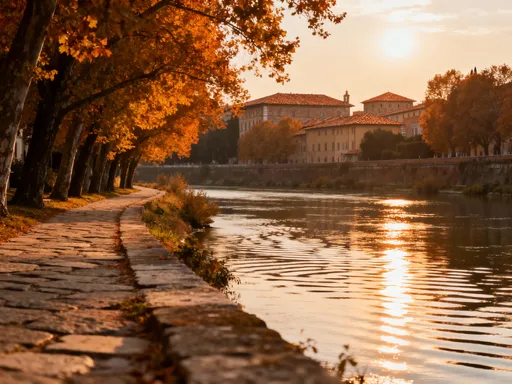
Seasonality also plays a key role in shaping the experience. Spring brings blooming wetlands and the return of migratory birds, making it a prime time for photography and wildlife observation. Summer offers warm days for swimming and lakeside relaxation, though it’s wise to start early to avoid midday heat. Autumn transforms the forests into golden and crimson tapestries, perfect for long walks and mindful reflection. Even winter, often overlooked, has its charm—frozen ponds, frost-laden branches, and a hush that settles over the landscape like a blanket. By aligning your visit with both personal needs and seasonal rhythms, you deepen your connection to the place.
Getting There: Transport Tips Without the Hassle
Accessibility is one of Bucharest’s natural escapes’ strongest advantages. Most destinations are within a 30- to 60-minute drive from the city center, making them ideal for day trips or weekend retreats. Renting a car offers the most flexibility, allowing you to set your own pace and explore off-the-beaten-path areas. Major international rental companies operate at Henri Coandă International Airport and in the city, with reasonable rates for compact and eco-friendly models.
For those without a vehicle, public transportation options exist but require planning. Snagov Lake, for example, is accessible by train from Bucharest’s Obor Station to Snagov town, followed by a short taxi ride to the lake. Buses also run to Fundeni and Periș, providing access to the Ialomita River trails. Schedules are less frequent than in Western European cities, so checking timetables in advance is essential. Local ride-sharing apps like Bolt and Uber can be used to reach trailheads or connect with drivers familiar with rural routes.
Another excellent option is joining a guided nature tour. Several local operators specialize in eco-trips to Văcărești, Snagov, and the Danube floodplains. These tours typically include transportation, a knowledgeable guide, and sometimes meals or equipment. They are particularly valuable for solo travelers or those unfamiliar with the area, as they remove logistical stress and enhance the experience through expert storytelling. Many guides are trained biologists or environmental educators, offering insights into bird behavior, plant identification, and conservation efforts. This added layer of understanding transforms a simple walk in the woods into a meaningful learning journey.
Responsible Travel: Protecting Bucharest’s Natural Gems
As more people discover these natural treasures, the need for responsible travel grows. These ecosystems are resilient but not indestructible. Littering, off-trail hiking, and feeding wildlife may seem minor, but over time they erode the very qualities that make these places special. In Văcărești, for instance, discarded plastic can harm birds and fish, while trampling vegetation destabilizes soil and disrupts nesting sites. Awareness is rising, with local NGOs organizing clean-up events and schools incorporating environmental education into curricula.
Visitors play a crucial role in preservation. Simple actions—staying on marked paths, carrying out all trash, avoiding loud noises, and respecting wildlife boundaries—make a tangible difference. Choosing eco-conscious accommodations and supporting local guides and artisans also contributes to sustainable development. Some guesthouses in Snagov use solar power, compost organic waste, and source food from nearby farms, demonstrating how tourism can align with environmental values.
Perhaps most importantly, responsible travel means shifting from a mindset of consumption to one of connection. Rather than treating nature as a backdrop for photos or a checklist of destinations, we can learn to see ourselves as guests in a living system. This shift fosters gratitude, mindfulness, and long-term stewardship. When we protect these spaces, we’re not just preserving scenery—we’re safeguarding our own well-being and that of future generations.
Conclusion: Where City Meets Wild
Bucharest’s natural wonders challenge the myth that capitals must be purely urban. Within minutes, you can trade honking cars for birdsong and skyline views for misty lakes. These green sanctuaries aren’t just escapes—they’re essential to the city’s soul. They offer balance, beauty, and a reminder that nature is not something ‘out there,’ but woven into the fabric of daily life. For women managing busy households, careers, or personal transitions, these spaces provide a rare gift: time to pause, breathe, and remember who you are beneath the roles you play.
By exploring them responsibly, we don’t just recharge—we become part of a larger story of harmony between people and nature. We learn that progress doesn’t have to mean paving over the wild, and that even in a modern city, wilderness can thrive when protected and respected. So next time you’re in Bucharest, go beyond the guidebooks. Step off the beaten path. Let the rustle of reeds, the call of a distant heron, or the stillness of a forest trail guide you. Let the wild call you in—and answer it with care, curiosity, and quiet wonder.