You Won’t Believe What I Found Shopping in Gaborone
Gaborone, Botswana, isn’t the first place that comes to mind for shopping—but trust me, it’s full of surprises. I went looking for souvenirs and walked away with stories, local crafts, and flavors I never expected. From bustling markets to quiet boutique finds, the city’s shopping scene blends tradition and modernity in the most authentic way. This is shopping that feels real, not staged for tourists. Every stall, shop, and smile offered a glimpse into daily life, where commerce and culture are woven together. What began as a simple errand turned into a journey of connection, discovery, and delight in the unexpected corners of a city often overlooked.
First Impressions: Walking into Gaborone’s Shopping Scene
Arriving in Gaborone with modest expectations, many travelers might assume the capital of Botswana offers little beyond administrative buildings and quiet streets. Yet, within hours of stepping into its commercial heart, those assumptions dissolve. The city pulses with a steady rhythm, where commerce is not just transactional but deeply social. Unlike tourist-heavy capitals where shopping feels performative, Gaborone’s retail landscape unfolds organically, shaped by local needs, cultural pride, and a growing sense of urban identity. The city’s layout—spacious, well-planned, and dotted with green spaces—frames its shopping zones as integrated parts of everyday life rather than isolated entertainment districts.
What stands out immediately is the balance between modern infrastructure and grassroots enterprise. On one side of the city center, glass-fronted malls hum with air-conditioned efficiency. On the other, open-air markets buzz with color, sound, and the scent of grilled street food. This duality is not a contradiction but a reflection of Botswana’s evolution—a nation that honors its heritage while embracing contemporary development. Shoppers quickly realize that Gaborone does not cater to a single demographic. Whether you’re a local picking up household goods, a diplomat stationed at an embassy, or a visitor seeking authentic experiences, the city offers access points that feel inclusive and genuine.
The accessibility of Gaborone’s shopping areas adds to their appeal. Most key districts are within a short drive of each other, connected by well-maintained roads and served by reliable minibus taxis. There’s no need to navigate labyrinthine alleys or endure long commutes—everything feels within reach. Yet, despite the convenience, the experience remains unhurried. Vendors aren’t pushy, shopkeepers don’t pressure sales, and the pace allows for genuine engagement. This calm, respectful atmosphere sets the tone for what follows: a shopping journey defined not by consumption, but by connection.
The Heartbeat of Local Commerce: Main Mall and Surrounding Streets
If Gaborone has a commercial soul, it resides in and around Main Mall. Far more than a shopping strip, this area functions as a central artery of urban life. By mid-morning, the sidewalks come alive with foot traffic—civil servants on break, students browsing phone accessories, mothers comparing fabric patterns. The mix of businesses reflects the diversity of the city itself: from electronics stores displaying the latest smartphones to tailors taking custom measurements for traditional attire. It’s common to see men in crisp suits pausing at kiosks to buy sunglasses, while women in vibrant dresses haggle playfully over handbags made from recycled materials.
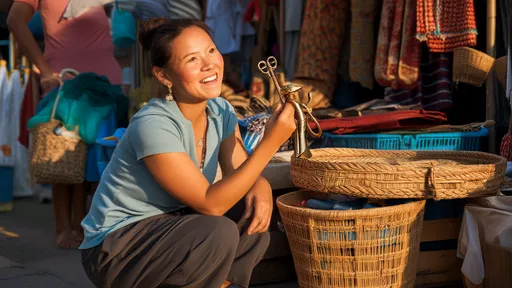
What makes Main Mall truly special is the presence of street vendors who line the walkways with neatly arranged displays. These entrepreneurs sell everything from phone chargers and umbrellas to handmade jewelry and woven keychains. Their stalls are small, often just a cloth on the ground or a folding table, but they represent resilience and ingenuity. Many vendors have been working these spots for years, building loyal customer bases through consistency and friendliness. Bargaining is expected, but it’s rarely aggressive—it’s more like a ritual of mutual respect, where both buyer and seller walk away feeling satisfied. A simple exchange of smiles often seals the deal as much as the final price.
The social function of this space cannot be overstated. Main Mall is where news is exchanged, friendships are renewed, and community ties are strengthened. It’s not unusual to see groups of older women sitting on benches, watching the world go by while commenting on fashion trends or discussing the latest market prices. Teenagers gather near music shops, listening to local artists’ latest tracks. Even the police officers on patrol greet vendors by name. This sense of familiarity transforms shopping from a solitary errand into a shared experience. For visitors, being welcomed into this rhythm—even briefly—offers a rare intimacy that few capital cities provide.
Craft Meets Culture: The Botswana Craft Centre Experience
For those seeking authentic cultural expression, the Botswana Craft Centre stands as a cornerstone of artistic preservation. Located just off the city center, this curated space brings together artisans from across the country, offering a window into Botswana’s rich creative traditions. Unlike mass-produced souvenirs found in airport shops, every item here tells a story—of ancestral techniques, regional identities, and personal dedication. Baskets woven from ilala palm, wooden carvings depicting wildlife, and hand-dyed textiles featuring geometric patterns all reflect a deep connection to land and lineage. The craftsmanship is meticulous, the materials locally sourced, and the pricing transparent, ensuring that visitors understand the value behind each piece.
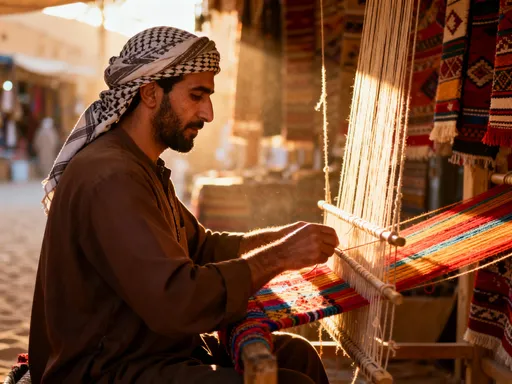
One of the most celebrated crafts is the famous Botswana basket, particularly those from the Okavango Delta region. These coiled masterpieces, often in earthy tones of brown, black, and red, are made using centuries-old methods passed down through generations of women. Each pattern carries symbolic meaning—some represent water channels, others family unity or spiritual protection. Speaking with the artisans, many of whom work on-site or send their creations through cooperative networks, reveals a profound sense of pride. They are not merely selling goods; they are safeguarding heritage. Purchasing a basket here is not just a transaction—it’s an act of cultural support, ensuring these traditions continue in a modern economy.
The center also plays an educational role, offering informal demonstrations and explanations about the making process. Visitors can watch a weaver at work, ask questions, and even try their hand at simple techniques under guidance. This interactivity deepens appreciation and fosters respect. Moreover, the staff emphasize sustainability, explaining how harvesting materials like palm fronds is done responsibly to protect natural resources. By supporting this space, shoppers contribute to fair wages, community development, and the preservation of intangible cultural assets. In a world of fast fashion and disposable decor, the Botswana Craft Centre offers something enduring: beauty with purpose, artistry with integrity.
Hidden Gems: Boutique Finds in Private Estates and Quiet Corners
Beyond the well-trodden paths of Main Mall and the Craft Centre lie quieter, more intimate shopping experiences tucked into residential neighborhoods and private estates. These boutique destinations—often family-run or artist-led—offer curated selections that blend contemporary design with African sensibilities. Driving through areas like Broadhurst or Fairgrounds, one might stumble upon a small gallery housed in a converted home, its garden blooming with bougainvillea and its interior filled with hand-painted ceramics, statement jewelry, and modern textiles inspired by tribal motifs. These spaces feel personal, almost like being invited into someone’s creative sanctuary.
What distinguishes these boutiques is their attention to detail and originality. A necklace might combine recycled glass beads with copper wire, shaped into abstract animal forms. A dress could feature a modern silhouette cut from shweshwe fabric, dyed using natural pigments. These pieces are not replicas of tradition but reimaginings—thoughtful fusions that honor the past while speaking to today’s global aesthetic. Many owners are artists themselves or work directly with local designers, ensuring authenticity and fair compensation. Because these shops operate on a smaller scale, inventory rotates frequently, making each visit a unique discovery.
Despite their exclusivity in design, these boutiques remain welcoming. Owners often engage in conversation, sharing the inspiration behind collections or recommending other hidden spots in the city. There’s no pressure to buy, only an invitation to appreciate. Some even host small events—poetry readings, live music nights, or craft workshops—that transform the space into a cultural hub. For the discerning shopper, these locations offer more than products; they provide a sense of belonging to a creative community. Finding such places requires curiosity and a willingness to explore, but the reward is access to something rare: originality, warmth, and art that carries soul.
Market Days: The Gaborone Central Market Vibe
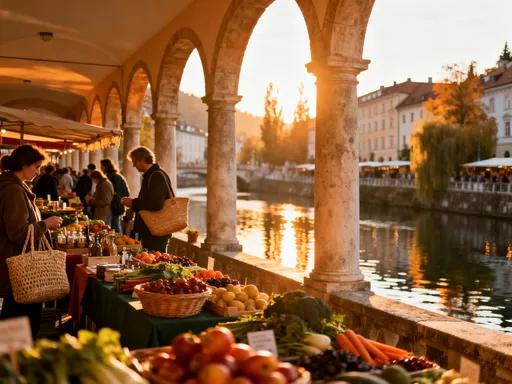
No visit to Gaborone is complete without experiencing the Central Market, a sensory celebration of daily life. Open primarily during weekday mornings and early afternoons, this sprawling marketplace is where locals come to buy fresh produce, spices, meat, and household essentials. The moment you step inside, you’re enveloped in a symphony of smells—ripe mangoes, pungent dried fish, smoky paprika, and the earthy scent of just-harvested vegetables. Rows of stalls burst with color: pyramids of oranges, bundles of dark green morogo (a traditional leafy vegetable), and baskets of peanuts still in their shells. Vendors call out prices in Setswana and English, their voices rising and falling like a rhythmic chant.
Beyond food, the market offers handmade soaps infused with local herbs, hand-stitched aprons, and bolts of colorful fabrics like kitenge and shweshwe. These textiles, often used for traditional clothing, come in bold prints and are sold by the meter, allowing visitors to take home a piece of Botswana’s visual language. Some stalls specialize in dried meats, known locally as boerewors or biltong, which make excellent portable souvenirs. Others offer herbal remedies and natural cosmetics, reflecting indigenous knowledge of plant-based wellness. While not all products are labeled in English, vendors are generally patient and happy to explain uses and origins, especially when approached with genuine interest.
To navigate the market comfortably, it’s best to visit on a weekday morning when the crowd is manageable and the air is cooler. Wearing comfortable shoes is essential, as the floors can be uneven, and carrying a reusable bag helps reduce plastic use. Cash is preferred, particularly small denominations, as many vendors do not accept cards. While bargaining is acceptable, it should be done politely—remember, these are livelihoods, not tourist traps. Above all, come with an open mind. The Central Market is not a performance; it’s real life in motion. To walk through it is to witness the heartbeat of Gaborone, where commerce, culture, and community beat as one.
Modern Comforts: Malls Like Riverwalk and Their Role in Urban Life
For those seeking air-conditioned comfort and international brands, malls like Riverwalk offer a different but equally revealing side of Gaborone’s shopping culture. Located in the eastern part of the city, Riverwalk combines global retail chains with local businesses, creating a hybrid environment that reflects Botswana’s cosmopolitan aspirations. Anchor stores include well-known South African retailers, electronics shops, and fashion outlets carrying both imported and African-designed clothing. The food court features a range of options—from burgers and pizzas to local staples like seswaa (pounded beef) and pap (maize porridge)—catering to diverse tastes and family groups.
What makes these malls significant is not just what they sell, but how they function as social spaces. On weekends, they become gathering points for families, young professionals, and expatriates. Children play in designated areas while parents sip coffee, teenagers meet before movie screenings, and older couples stroll through the wide corridors. The atmosphere is relaxed, safe, and inclusive. Security is visible but unobtrusive, and cleanliness is well-maintained, contributing to a sense of order and comfort. For many residents, especially those with young families, these malls provide a reliable environment for leisure and connection.
Yet, even in these modern spaces, local identity is not erased. Art displays featuring Botswana photographers or sculptors often line the hallways. Local musicians perform on weekends, filling the atrium with traditional rhythms and modern fusion beats. Some shops specialize in Botswana-made products, from skincare lines using marula oil to handcrafted décor items. This integration ensures that globalization does not mean cultural dilution. Instead, it creates a dialogue between the familiar and the unique, allowing residents and visitors alike to enjoy convenience without losing touch with place. Riverwalk and similar centers are not escapes from Botswana—they are expressions of its evolving urban character.
Smart Shopping Tips: When, How, and What to Buy in Gaborone
To make the most of shopping in Gaborone, a few practical tips can enhance both enjoyment and value. Timing is key: weekdays, especially Tuesday through Thursday, are ideal for avoiding crowds and securing better attention from vendors. Early mornings are best for the Central Market, when produce is freshest and temperatures are mild. For malls and boutiques, late mornings to early afternoons offer the best balance of activity and availability. Sundays tend to be quieter, with many smaller shops closed, so planning ahead ensures a fuller experience.
Payment methods vary across venues. While larger stores and malls accept major credit cards, most markets and independent shops operate on a cash-only basis. It’s wise to carry Botswana pula in small bills for ease of transactions and bargaining. ATMs are widely available in shopping districts, but notifying your bank of travel plans prevents card blocks. Safety is generally good, but as in any city, it’s prudent to keep valuables secure and avoid flashing large amounts of cash. Most locals are honest and respectful, and treating them with courtesy fosters positive interactions.
When deciding what to buy, focus on items that authentically represent Botswana. Handwoven baskets, locally made jewelry, traditional fabrics, and art pieces from recognized cooperatives carry cultural significance and support sustainable livelihoods. Avoid mass-produced imports marketed as “local”—true authenticity comes from knowing the source. The Botswana Craft Centre and reputable boutiques are reliable starting points. Additionally, consider edible souvenirs like morula jam, baobab powder, or spiced teas, which offer a taste of Botswana’s natural bounty. Whatever you choose, let intention guide your purchases. Each item bought with awareness becomes more than a keepsake—it becomes a story, a connection, a small act of cultural preservation.
More Than a Purchase – A Connection to Place
Shopping in Gaborone is not merely about acquiring things—it’s about engaging with a living culture. Every basket woven, every fabric cut, every spice ground tells a story of resilience, creativity, and community. What begins as a search for souvenirs transforms into a quiet exchange of respect and appreciation. In a world where travel often prioritizes speed and spectacle, Gaborone offers something deeper: the chance to slow down, listen, and participate in the rhythm of daily life. Here, commerce is not separate from culture; it is one of its most vibrant expressions.
To shop mindfully in this city is to honor the people behind the products—the artisans who preserve ancient techniques, the vendors who greet customers like neighbors, the families who rely on these markets for their livelihoods. It is to recognize that every purchase, no matter how small, carries weight. By choosing authenticity over convenience, connection over consumption, visitors become part of a larger story—one of cultural continuity and mutual respect.
So when you find yourself in Gaborone, step beyond the expected. Wander past the malls, explore the side streets, strike up a conversation at a market stall. Let curiosity be your guide and kindness your currency. Because the true treasures of this city are not just in the goods you carry home, but in the moments you share, the stories you hear, and the quiet understanding that shopping, at its best, can be an act of humanity. In Gaborone, every buy carries meaning—and every visit leaves a lasting imprint on the heart.