Through the Lens of Sharm: Where Light Meets Local Magic
Ever stood somewhere so vivid it felt like the world was begging to be captured? That’s Sharm El Sheikh—not just sun and sea, but a photographer’s playground where culture, color, and craftsmanship collide. I chased golden light and stumbled upon something deeper: handmade treasures, hidden markets, and moments so real, no filter could improve them. This isn’t just travel photography. It’s storytelling with every click. From the first blush of dawn over the Sinai Peninsula to the warm glow of lantern-lit alleys, Sharm offers a visual rhythm unlike any other—a place where natural beauty and human artistry move in harmony. For those who carry a camera not just to document, but to connect, this Red Sea gem reveals itself in layers, rewarding patience and curiosity with unforgettable images and deeper understanding.
First Light Over the Sinai: Setting the Scene for Visual Storytelling
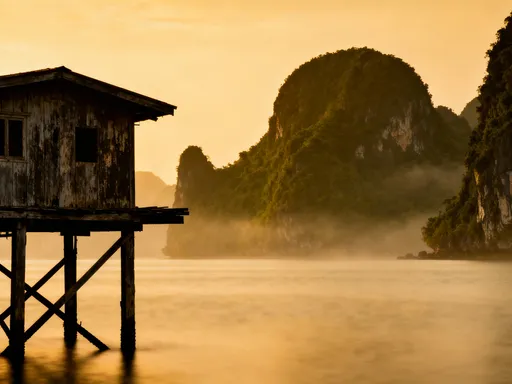
Sharm El Sheikh rests at the southern tip of the Sinai Peninsula, where desert meets sea in a striking contrast of textures and tones. The jagged peaks of the Sinai Mountains rise like ancient sentinels behind the smooth curve of the Red Sea coast, creating a natural stage for some of the most dramatic lighting conditions in the region. At dawn, the sky ignites in soft gradients of apricot and lavender, casting a delicate glow across the water and sand. This is the golden hour—when shadows stretch long, colors deepen, and the world seems to pause just for the camera. Photographers who rise early are rewarded with serene, crowd-free scenes: fishing boats bobbing gently in Naama Bay, their wooden hulls painted in warm light, or a lone figure walking along the shore, silhouetted against the rising sun.
The geography of Sharm El Sheikh is inherently cinematic. The stark transition from arid desert to vibrant coral reefs creates a visual duality that defines the region’s aesthetic. Wide-angle lenses capture this contrast beautifully—mountains in the distance, sharp and sun-bleached, while the foreground bursts with turquoise water and the occasional flash of color from a passing sail. Midday light, though harsh, can be used creatively to emphasize texture: the cracked surface of dry earth, the ripple of wind across dunes, or the intricate patterns of coral stone in local architecture. But it is during the shoulder hours—just after sunrise and before sunset—that the landscape truly comes alive with photographic potential.
These natural conditions do more than offer pretty backdrops; they shape the narrative of every image. The desert is not just a setting—it becomes a character in its own right, conveying timelessness, resilience, and quiet beauty. For photographers, understanding this rhythm is essential. It means planning shoots around the sun’s arc, scouting locations the day before, and returning at different times to see how light transforms a single spot. A rocky outcrop may look dull at noon but glow with warmth in the evening. A market alley might seem chaotic in flat light but turn golden and inviting as the sun dips low. In Sharm, light isn’t just illumination—it’s a storyteller.
Beyond the Beach: Chasing Authentic Moments in Local Life
While Sharm El Sheikh is known for its luxury resorts and beachfront loungers, the soul of the city lies beyond the tourist zones. True photographic richness unfolds in the quiet corners of daily life—where fishermen mend nets at dawn, women carry woven baskets through narrow lanes, and artisans hammer metal in open-air workshops. These are the moments that breathe authenticity into a travel portfolio, offering glimpses into a culture shaped by tradition, environment, and resilience. To capture them requires stepping off the beaten path, moving slowly, and observing with respect and intention.
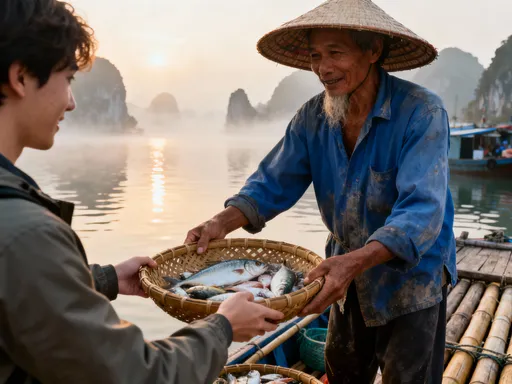
Naama Bay, though popular with visitors, transforms at sunrise into a stage for local activity. Long before tourists emerge with towels and sunscreen, the bay is alive with fishermen pulling in their catch, sorting fish on wooden crates, and preparing boats for another day at sea. The soft morning light reflects off wet nets and glistening scales, creating natural highlights and rich textures. These scenes are not staged—they are lived. Photographers can document them ethically by maintaining distance at first, using zoom lenses to avoid intrusion, and only approaching for closer shots once rapport is established. A smile, a nod, and a simple gesture of respect go far in gaining trust.
Further inland, neighborhoods like Hadaba and Soho Square reveal everyday rhythms. Children walk to school on coral-stone sidewalks, their backpacks bouncing with each step. Street vendors arrange pyramids of spices—cumin, turmeric, and paprika—each pile a burst of color against woven baskets. A Bedouin elder might sit outside his home, sipping tea and watching the morning unfold. These are not performances for tourists; they are real moments that unfold with quiet dignity. Capturing them requires patience and sensitivity. The best images often come not from rushing in with a camera, but from waiting, watching, and letting the scene reveal itself.
Timing is crucial. Early mornings and late afternoons not only offer the best light but also coincide with peak local activity. Midday, when the sun is high and families retreat indoors, tends to be quieter. By aligning shooting schedules with local routines, photographers increase their chances of witnessing genuine interactions. It’s also wise to avoid weekends or holidays when markets may be crowded with tourists, making it harder to isolate authentic moments. The goal is not to stage a scene, but to witness one—and to do so with humility and care.
The Craft of Color: Discovering Handmade Treasures in Desert Markets
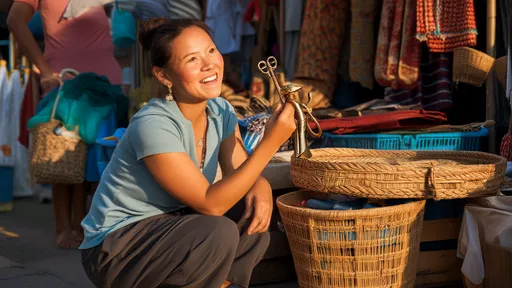
The souks of Sharm El Sheikh are more than shopping destinations—they are living galleries of color, texture, and tradition. Wandering through covered market lanes, visitors are met with a sensory explosion: handwoven textiles in jewel-toned stripes, glass bottles glowing like liquid amber, and mother-of-pearl boxes carved with intricate geometric patterns. These items are not mass-produced souvenirs; they are handmade by local artisans, often using techniques passed down through generations. For photographers, they offer compelling subjects—rich in detail, symbolism, and visual contrast.
One of the most photogenic crafts is hand-blown glass. In small workshops tucked behind market stalls, artisans shape molten glass into vases, lamps, and decorative bowls. The process itself is mesmerizing—flames flickering, tools twisting, colors swirling as molten glass is dipped into pigments. Photographing these moments requires attention to light and timing. Side lighting enhances the transparency and depth of the glass, while backlighting can create dramatic silhouettes of the artisan at work. Close-up shots reveal the fine bubbles and imperfections that speak of handmade authenticity, far more evocative than any factory-made item.
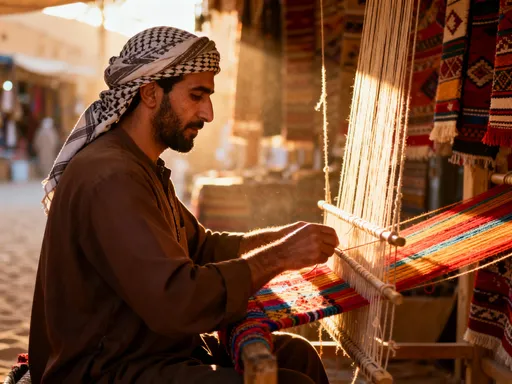
Textiles are another vibrant subject. Bedouin women weave colorful rugs and shawls using wool and cotton, often incorporating symbolic patterns that tell stories of family, region, or belief. The interplay of reds, blues, and yellows creates bold compositions that stand out against neutral backgrounds. To capture texture, photographers should use macro settings or manual focus to highlight the weave’s density and variation. Shooting from a low angle can emphasize the fabric’s drape and movement, especially when a vendor unfurls a new piece for display.
Mother-of-pearl inlay work is equally striking. Artisans carve delicate designs into wooden boxes, frames, and trays, then set them with shimmering pieces of shell. The play of light across the surface creates a constantly shifting image—sometimes iridescent, sometimes soft and pearly. These objects photograph best in diffused light, where reflections don’t overwhelm detail. A polarizing filter can help reduce glare while preserving the natural luster. The key is to let the craftsmanship speak for itself—framing the object to highlight symmetry, precision, and the subtle variations that mark it as handmade.
Framing Tradition: Capturing the Spirit Behind the Art
Photographing handmade crafts is only part of the story. To truly honor the art, one must also capture the artist. A beautifully lit image of a glass vase is compelling, but a portrait of the hands that shaped it—calloused, focused, moving with practiced ease—adds depth and humanity. These are the images that transform a collection of photos into a narrative of people, place, and purpose. The challenge lies in doing so respectfully, without reducing the subject to a stereotype or exotic curiosity.
Building trust is essential. The best approach is to spend time in a workshop or stall before raising the camera. A few minutes of conversation, even with limited language, can establish rapport. A simple smile, a gesture of appreciation, or a small purchase shows respect and often opens the door to photography. Asking permission—whether through a translator, a phrasebook, or a pointed finger and nod—should be non-negotiable. Some artisans welcome attention; others prefer to work in peace. Respecting that boundary is part of ethical photography.
When photographing artisans at work, focus on details that convey concentration and skill. The furrowed brow of a glassblower adjusting a pipe, the steady hand of a silver engraver guiding a chisel, the rhythmic motion of a weaver’s foot on a loom pedal—these are the moments that tell the story of craft. Use shallow depth of field to isolate hands or faces, letting the background blur into soft color. Natural light is ideal: a window’s glow or shaded outdoor workspace provides even illumination without harsh contrasts.
Portraits should be collaborative, not extractive. Whenever possible, show the subject looking directly at the camera, their expression calm and dignified. Avoid candid shots that capture surprise or discomfort. Instead, wait for a natural pause—when the artisan looks up, smiles, or takes a breath. These are the moments of connection. And when the photo is taken, offering to show it on the camera screen can be a powerful gesture of goodwill. It transforms the interaction from observation to exchange, reinforcing mutual respect.
Light, Lens, and Logistics: Practical Tips for Shooting in the Heat
Photographing in Sharm El Sheikh’s desert climate presents real logistical challenges. High temperatures, blowing sand, and salt-laden air can strain both equipment and endurance. A camera left in direct sun can overheat; lenses can fog up when moving between air-conditioned spaces and humid outdoors; sand can scratch filters and jam mechanisms. Preparing for these conditions isn’t optional—it’s essential for preserving gear and ensuring a productive shoot.
Protection starts with gear choices. A weather-sealed camera body and lenses offer better resistance to dust and moisture. UV or clear filters on lenses act as sacrificial barriers, shielding expensive optics from scratches. Lens hoods reduce glare and provide additional protection from stray sand. Carrying a microfiber cloth and a blower brush allows for quick cleanings between shots. A sturdy camera bag with padded compartments and dust flaps helps during transit, especially when walking through markets or coastal trails.
Battery life shortens in extreme heat. Carrying at least one spare battery—and keeping it in a cool, shaded pocket—can prevent midday shutdowns. Storing gear in a shaded area when not in use, such as under a market awning or in a car with windows cracked, helps regulate temperature. Some photographers use insulated camera inserts or even small cooling packs to maintain a stable environment.
For mobility, a lightweight setup is ideal. A mirrorless camera with a versatile zoom lens—such as a 24-70mm or 24-105mm—offers high image quality without excessive weight. Prime lenses like a 50mm f/1.8 are excellent for portraits and low-light situations, delivering sharp results with beautiful background blur. A compact tripod or monopod can be useful for long exposures at dawn or dusk, especially when capturing water reflections or cityscapes.
Photographers should also care for themselves. Hydration is critical—carrying water at all times prevents fatigue and heat stress. Wearing a wide-brimmed hat, light clothing, and sunscreen allows for longer shooting sessions. Scheduling breaks during peak heat (11 a.m. to 3 p.m.) not only protects health but also provides time to review images, adjust settings, and plan the next shoot. By balancing technical readiness with personal well-being, photographers can stay in the field longer and return with stronger, more thoughtful work.
From Snap to Story: Curating Images That Reflect Real Sharm
Capturing great images is only the first step. The real power of travel photography lies in curation—selecting and editing photos to tell a coherent, authentic story. In an age of filters and presets, it’s tempting to enhance colors to surreal levels or darken shadows for dramatic effect. But in Sharm El Sheikh, where light and color are already vivid, subtlety often speaks louder. The goal should not be to alter reality, but to reveal it more clearly.
Post-processing should begin with intention. Adjusting white balance ensures skin tones and fabrics appear natural, not unnaturally warm or cool. Fine-tuning exposure and contrast can bring out detail in shadows and highlights without losing dynamic range. Cropping should strengthen composition—removing distractions, aligning horizons, or tightening focus on a subject’s expression. But these edits should serve the image, not dominate it. Over-sharpening, excessive saturation, or artificial vignettes can distort the truth and undermine the authenticity of the moment.
Curation is equally important. A strong photo series doesn’t include every shot—it tells a story through a deliberate selection. A sequence might begin with a wide shot of the Sinai Mountains at dawn, transition to close-ups of hands weaving fabric, then end with a portrait of the artisan smiling beside their work. This arc moves from place to person to craft, creating a narrative that feels complete. Including a mix of wide, medium, and tight shots adds visual rhythm and depth.
When sharing images—whether online, in print, or with friends—context matters. A caption that names the artisan, describes the craft, or explains the location adds value and respect. It transforms a beautiful image into an educational one. Even if full details aren’t known, phrases like “a local weaver in Sharm’s old market” or “hand-blown glass from a family workshop” honor the subject’s identity. This practice reinforces the idea that photography is not just about taking, but about giving back—through recognition, appreciation, and accurate representation.
Why It Matters: Photography That Honors Place and People
At its best, travel photography is an act of preservation and connection. Every image taken in Sharm El Sheikh contributes to a collective memory of this unique place—its landscapes, its traditions, its people. But with that power comes responsibility. Photographs can uplift or exploit, educate or stereotype. The choice lies with the photographer. By approaching their craft with mindfulness, respect, and humility, they can ensure their images celebrate rather than consume.
Honoring local culture means more than avoiding offense—it means actively seeking to understand. It means learning a few words of Arabic to greet a vendor, waiting for permission before photographing a child, or choosing not to shoot a private moment. It means recognizing that every person in front of the lens is not a prop, but a human being with dignity and story. When photographers act with integrity, their images gain depth and resonance. They become not just records of light and color, but testaments to connection and empathy.
Sharing these images widely can have lasting impact. A well-composed photo of a Bedouin weaver might inspire someone to learn about traditional textiles. A powerful portrait of a fisherman at sunrise could spark interest in sustainable fishing practices. Social media, blogs, and photo books become platforms for cultural appreciation when used thoughtfully. Even simple acts—crediting a craftsperson when possible, tagging local locations, or donating prints to community centers—can strengthen ties between visitor and host.
In the end, the most valuable souvenirs from Sharm El Sheikh are not the ones bought in markets, but the ones carried in memory and on memory cards. They are the images that capture not just how a place looks, but how it feels—the warmth of golden light, the pride in a craftsman’s eyes, the quiet dignity of daily life. When photographers return home, they bring more than photos. They bring understanding. And in a world that often moves too fast, that deeper seeing—through the lens and beyond it—may be the most important gift of all.