You Won’t Believe These Hidden Natural Gems Around Pisa
Nestled in the heart of Tuscany, Pisa is more than just a leaning tower—it’s a gateway to breathtaking natural beauty. Rolling hills, sunflower fields, and serene riverbanks paint a picture-perfect escape just beyond the city. If you're craving fresh air, scenic views, and authentic countryside charm, this guide reveals the lush side of Pisa most tourists miss. Get ready to explore nature’s quiet magic, where every path leads to tranquility and every horizon tells a story of timeless landscapes shaped by sun, soil, and seasons. This is Tuscany at its most unspoiled and inviting.
Beyond the Tower: Rediscovering Pisa’s Natural Side
Pisa is often reduced to a single monument—the Leaning Tower—but the city and its surrounding countryside offer far more than marble spires and historic plazas. Beyond the bustling Piazza dei Miracoli lies a region shaped by nature’s quiet elegance: soft hills draped in vineyards, golden fields that ripple in the wind, and riverbanks where herons glide above still waters. For travelers seeking balance between culture and calm, Pisa serves as an ideal base to explore Tuscany’s lesser-known natural treasures. The city sits at the confluence of history and ecology, where the Arno River winds through ancient towns and protected parks, offering a slower, more soulful rhythm of travel.
What makes Pisa’s natural surroundings so special is their accessibility. Within minutes from the city center, visitors can step into pine forests, walk along coastal dunes, or drive through rolling countryside that looks like something from a Renaissance painting. These landscapes are not just beautiful—they’re alive with seasonal change, wildlife, and local traditions. Olive groves have been cultivated here for centuries, and small farms still produce wine, cheese, and honey using time-honored methods. Experiencing these places allows travelers to connect with the authentic spirit of Tuscany, beyond the postcard imagery.
Choosing to explore Pisa’s natural side also enhances the overall journey. After visiting the famous tower and cathedral, many tourists feel the need for space, quiet, and fresh air. Stepping into nature provides mental reset and physical renewal. It offers a chance to slow down, observe details—the scent of wild thyme on a breeze, the sound of cicadas in summer heat, the way light filters through tall cypress trees—and return to daily life feeling refreshed. For families, couples, or solo travelers, these natural escapes are not distractions from the main itinerary; they are essential complements that deepen the experience of being in Italy.
The Arno River Walk: A Serene Urban Escape
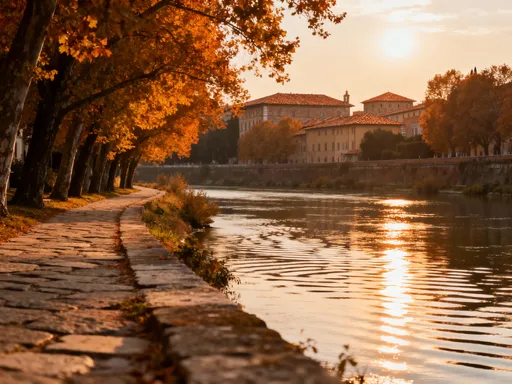
One of the simplest yet most rewarding ways to experience Pisa’s natural charm is by walking along the Arno River. Unlike the crowded monuments, the riverside offers a peaceful retreat where water reflects the sky and old buildings lean gently toward the current. The stretch beginning near Ponte di Mezzo—the central bridge in Pisa—leads westward through shaded paths lined with willows, poplars, and reeds. As you stroll, the noise of the city fades, replaced by birdsong and the soft lapping of water against stone embankments.
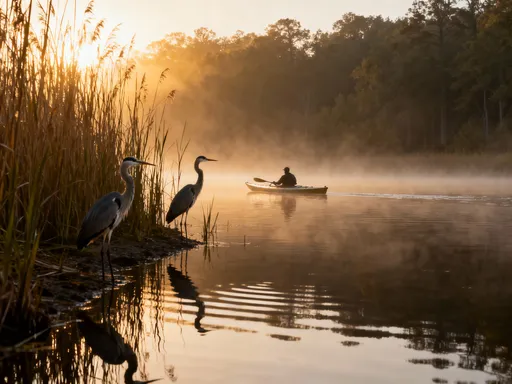
This riverside walk is ideal for early mornings or late afternoons when the light is soft and golden. At sunrise, mist rises from the surface of the river, creating a dreamlike atmosphere perfect for photography. In the evening, locals gather on benches or walk their dogs, enjoying the cool air after a warm day. Some sections feature wooden boardwalks that extend over the water, offering unobstructed views of swans, kingfishers, and even the occasional otter. These quiet moments along the Arno remind visitors that beauty often lies in stillness.
To make the most of this experience, it’s best to start at Ponte di Mezzo and head west, away from the tourist center. After about 15 minutes, the crowds thin out, and the path becomes more secluded. There are several benches and small green areas where you can sit and simply watch the world drift by. For those interested in history, the riverbanks also pass by old mills and former warehouses, remnants of Pisa’s maritime past. Bringing a bottle of water and wearing comfortable shoes ensures a pleasant journey. Whether you walk ten minutes or an hour, the Arno River walk offers a gentle, grounding experience that balances the energy of sightseeing with the calm of nature.
San Rossore Natural Park: Wild Beauty Just Minutes Away
Just a short distance north of Pisa lies one of Tuscany’s best-kept secrets: San Rossore Natural Park. Spanning over 24,000 hectares, this protected reserve stretches from inland woodlands to coastal dunes along the Tyrrhenian Sea. It’s a place where deer roam freely, wild boars forage in the underbrush, and hundreds of bird species—including flamingos and herons—nest in marshlands. Managed by the Tuscan Region and part of the Migliarino-San Rossore-Massaciuccoli Natural Park system, it’s a sanctuary for biodiversity and a haven for nature lovers.
Visitors can access the park through several entry points, with guided tours being the most reliable way to explore its full range of ecosystems. Biking is a popular option, with dedicated trails winding through fragrant pine forests and open meadows. These routes are well-maintained and suitable for all skill levels, making them ideal for families. Electric shuttles also operate on certain days, allowing those with limited mobility to enjoy the scenery without strain. Walking paths vary in length and difficulty, but all emphasize immersion in nature—no paved roads, no loud noises, just the sounds of wind, water, and wildlife.
One of the park’s most striking features is its contrast between environments. Within a few kilometers, you can move from dense woodland to sandy coastal strips where juniper bushes grow close to the sea. The dunes are especially important for protecting native plant species and preventing erosion. Along the coast, you might spot sea turtles nesting during summer months (though these areas are restricted to protect them). The park also hosts archaeological sites and historic villas, blending cultural heritage with ecological preservation. By visiting responsibly—staying on marked trails, not disturbing animals, and following park rules—travelers contribute to the conservation of this unique landscape.
The Charm of Tuscan Countryside Drives
For those with a car or rental bike, the countryside surrounding Pisa offers some of the most picturesque drives in Italy. Within 20 to 30 minutes from the city, the urban landscape gives way to open fields, olive groves, and hilltop villages that seem untouched by time. Routes toward Lari, Calci, and the Pisan Hills reveal a patchwork of agricultural beauty: neat rows of grapevines, gnarled olive trees clinging to rocky slopes, and wide meadows blooming with wildflowers in spring.
One recommended route begins in Pisa and heads northeast toward Calci, home to the striking Certosa di Calci, a former Carthusian monastery now housing a natural history museum. The road passes through shaded forested areas before opening into sun-drenched valleys. Another scenic drive goes south toward Lari, where a medieval castle crowns a hilltop surrounded by vineyards. Along both routes, there are designated pull-offs where travelers can stop to take photos, have a picnic, or simply breathe in the clean country air.
Seasonal changes dramatically affect the scenery. In late spring, fields explode with red poppies and yellow broom flowers. Summer brings golden wheat and vast sunflower fields that turn their faces to the sun. Autumn paints the hills in warm tones as grape harvests begin, while winter mornings often cloak the land in soft fog, giving everything a mystical quality. To travel sustainably, it’s important to respect private property—do not enter fenced areas or drive on unpaved roads without permission. Many local farms welcome visitors for tastings, but appointments are usually required. Choosing eco-friendly transportation and supporting local businesses helps preserve the region’s charm for future generations.
Coastal Escapes: From Pisa to the Tyrrhenian Shore
Though Pisa is not directly on the coast, it’s only about 10 kilometers from the Tyrrhenian Sea, making beach visits both easy and refreshing. Unlike the crowded resorts of Viareggio or Forte dei Marmi, Pisa’s nearby coastline retains a quieter, more natural character. Areas like Marina di Pisa and the coastal section of San Rossore Natural Park offer wide sandy beaches, dune systems, and pine forests that buffer the shore from development.
Marina di Pisa is accessible by bus, bike, or car and features a long promenade perfect for walking or cycling. The beach itself is mostly public, with sections of free access and a few managed establishments offering umbrellas and refreshments. What sets it apart is its relaxed pace—families play in the sand, couples stroll at sunset, and children fly kites in the steady sea breeze. The water is clean and shallow near the shore, making it safe for young swimmers. On calm days, you can see the outline of Corsica in the distance, a reminder of how close Italy is to other lands.
Even more secluded is the coastal strip within San Rossore Natural Park, where access is limited to protect fragile ecosystems. Here, the beach remains wild and unspoiled, with no buildings in sight. Only guided tours or authorized shuttles can reach this area, ensuring minimal human impact. The dunes are home to rare plants adapted to salty winds and shifting sands, and nesting birds rely on the isolation for safety. For travelers who value solitude and sustainability, this is an unparalleled coastal experience. Whether you choose the more accessible Marina di Pisa or the protected shores of the park, a day by the sea adds balance to any Pisa itinerary.
Seasonal Wonders: When Nature Shines Around Pisa
The landscape around Pisa transforms with the seasons, each bringing its own magic and opportunities for exploration. Understanding these changes helps travelers choose the best time for their visit and fully appreciate the region’s natural rhythms. Spring, from March to May, is perhaps the most vibrant season. Wildflowers blanket the hills, almond trees bloom in pink and white, and the air carries the scent of fresh earth and blossoms. This is an excellent time for hiking, biking, and photography, as greenery returns and temperatures remain mild.
Summer, from June to August, brings heat and golden light. Sunflower fields reach their peak in July, creating iconic Tuscan vistas that draw photographers from around the world. While temperatures can be high, early mornings and evenings are pleasant, especially near the coast or along the Arno River. Vineyards begin to thrive, and many local festivals celebrate the season with food, music, and outdoor gatherings. Travelers should plan activities for cooler parts of the day and stay hydrated, but the long daylight hours allow for extended exploration.
Autumn, from September to November, offers some of the most beautiful colors. Grapevines turn fiery red and orange, olives ripen on the trees, and mist often settles over the river valleys in the mornings. This is harvest season, and many farms open their doors for visitors to see wine and olive oil production firsthand. The weather remains comfortable well into October, making it a favorite time for nature walks and cultural tours alike. Winter, though quieter, has its own subtle beauty. Rain nourishes the soil, fog drifts across the fields, and evergreen cypresses stand tall against gray skies. While some parks reduce operating hours, the solitude and atmosphere appeal to those seeking peace and reflection.
Tips for a Nature-Focused Visit: Staying Comfortable and Responsible
To fully enjoy Pisa’s natural offerings, a few practical considerations can make a big difference. First, wear appropriate footwear—comfortable walking shoes or hiking boots are essential for trails, especially in San Rossore or the countryside. Sandals may be fine for the beach or riverside promenade, but rough terrain requires support and grip. Sun protection is equally important: a wide-brimmed hat, sunglasses, and sunscreen help prevent discomfort during long days outdoors.
Carry water with you, especially in summer, and consider packing light snacks like fruit, nuts, or bread and cheese from local markets. Many natural areas have limited facilities, so being prepared ensures comfort and safety. If you’re using public transportation, check bus and shuttle schedules in advance, as services may be less frequent on weekends or holidays. Biking is a sustainable and enjoyable way to travel, but always use marked paths and obey traffic rules.
Equally important is respecting the environment. Stick to designated trails to avoid damaging plants or disturbing wildlife. Do not pick flowers, feed animals, or leave trash behind. Many areas are protected for conservation, and local communities depend on these landscapes for agriculture and tourism. Practicing low-impact travel means leaving no trace and honoring the places you visit. Supporting eco-conscious businesses, such as organic farms or green-certified tour operators, further contributes to sustainable tourism.
Finally, allow yourself to move slowly. Nature reveals its beauty to those who pause, observe, and listen. Whether watching the sunset over the Arno, hearing the rustle of leaves in a pine forest, or feeling the sea breeze on your skin, these moments stay with you long after the trip ends. Pisa’s natural gems are not just destinations—they are invitations to reconnect with the earth and with yourself.
In a world that often feels rushed and artificial, places like those around Pisa remind us of nature’s enduring grace. The leaning tower will always draw crowds, but the true soul of this region lies in its quiet fields, winding rivers, and protected parks. By stepping beyond the postcard image, travelers discover a deeper, more meaningful Italy—one shaped by seasons, silence, and the simple joy of being outdoors. So the next time you plan a visit, let curiosity guide you beyond the monument. Follow the path beside the river, rent a bike to the coast, or drive into the hills at sunrise. Let Pisa be not just a stop, but a doorway to wonder. The natural magic is waiting—quiet, timeless, and ready to be found.