You Won’t Believe These Hidden Alpine Gems in Davos
Nestled high in the Swiss Alps, Davos is far more than just a conference destination — it’s a year-round playground for nature lovers. From snow-draped forests to sunlit meadows buzzing with alpine life, the raw beauty here hits you the moment you step outside. With clean mountain air, untouched wilderness, and a network of well-marked trails, Davos offers an authentic alpine experience without sacrificing comfort or accessibility. Whether you’re hiking through wildflower-strewn valleys in summer or gliding across silent snowfields in winter, this town delivers pure natural wonder. I’ll take you through the most breathtaking natural spots, practical access tips, and real on-the-ground insights to make your visit unforgettable.
Why Davos Deserves a Spot on Every Nature Lover’s List
Davos stands out among Alpine destinations not only for its global reputation but for its deep-rooted connection to the natural world. Sitting at an elevation of about 1,560 meters (5,120 feet) above sea level, it is one of the highest towns in Europe, which contributes to its crisp air, long winters, and remarkably clear skies. The surrounding region spans multiple ecological zones — from dense coniferous forests to alpine meadows and rocky high-altitude terrain — creating a rich mosaic of habitats. This diversity supports a wide range of flora and fauna, making Davos a living laboratory of mountain ecology.
Unlike many tourist hotspots that prioritize development over preservation, Davos has maintained a strong commitment to environmental protection. Large portions of the surrounding landscape fall within protected areas, including parts of the Swiss National Park buffer zone. Strict building regulations and sustainable tourism policies help limit urban sprawl and preserve scenic vistas. The result is a destination where nature remains dominant, not subordinate, to human activity. Visitors can walk just minutes from the town center and find themselves in near-total solitude, surrounded by the sounds of wind, water, and wildlife.
Beyond its political fame and elite ski resorts, Davos offers something rarer: authenticity. It’s a place where traditional alpine farming practices still continue, where local families gather hay in summer and care for livestock year-round. This cultural continuity reinforces environmental stewardship, as residents have a vested interest in protecting the land that sustains them. For travelers seeking both beauty and integrity, Davos provides a rare combination — modern convenience wrapped in timeless natural grandeur.
Top Natural Areas to Experience in Davos
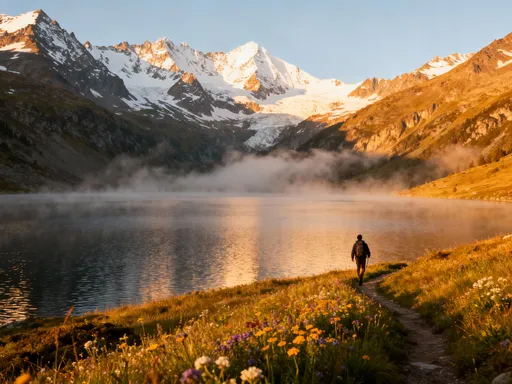
One of the most rewarding aspects of visiting Davos is the sheer variety of landscapes within easy reach. Each area offers a distinct character, shaped by altitude, geology, and microclimate. The Parsenn Valley, for example, is legendary among skiers but equally stunning in summer when green slopes replace snowfields. This expansive valley stretches toward the Flüela Pass and offers panoramic views of jagged peaks and deep ravines. Wildflowers bloom abundantly from June to August, painting the hillsides in bursts of purple, yellow, and white. The valley floor hosts several alpine huts where hikers can rest and enjoy locally made cheese and rye bread.
Lake Davos, located just west of the town center, is another must-visit natural gem. Fed by the Landquart River and surrounded by forested hills, the lake reflects the sky with mirror-like clarity, especially in the early morning. A well-maintained walking path circles the entire lake, offering gentle terrain ideal for families or those looking for a relaxed outdoor experience. In warmer months, visitors can rent paddle boats or simply sit on one of the many benches to absorb the tranquility. During winter, when temperatures drop low enough, the lake occasionally freezes — though public access is restricted for safety reasons.
The Flüela Pass, rising to over 2,400 meters (7,874 feet), serves as a dramatic gateway between Davos and the Lower Engadine region. The drive or bike ride up the pass rewards travelers with sweeping views of snow-capped summits and glacial valleys. At the top, a short trail leads to the Flüela Wildlife Park, a conservation-focused enclosure where native species such as ibex and chamois are cared for and observed. While not a traditional zoo, the park plays an educational role, helping visitors understand the challenges these animals face in the wild. The pass also marks a climatic boundary — weather can change rapidly here, and snowfall is possible even in summer, reminding all who visit of the Alps’ unpredictable power.
How to Get There and Move Around Like a Local
Reaching Davos is straightforward thanks to Switzerland’s world-class rail system. Travelers from Zurich Airport can board a direct train to Landquart, then transfer to the Rhaetian Railway’s narrow-gauge line that climbs steadily into the mountains. The final leg of the journey from Landquart to Davos takes about 45 minutes and unfolds like a moving postcard — passing through forested gorges, crossing arched stone bridges, and offering glimpses of distant glaciers. For those coming from other Swiss cities like Bern or Lucerne, connections via Zurich or Chur are reliable and frequent.
Once in Davos, getting around is both convenient and environmentally friendly. The town operates an efficient local bus network that connects major districts, hotels, trailheads, and ski lifts. Schedules are precise, and stops are clearly marked, making navigation simple even for first-time visitors. Many tourists opt to purchase the Davos Klosters Card, which grants unlimited use of public buses, access to certain hiking trails, and discounts at museums and wellness centers. Even better, the card is often provided free of charge by hotels upon check-in, adding significant value to your stay.
For those who prefer active transportation, Davos offers excellent biking and walking infrastructure. In summer, the town promotes bike-sharing programs with stations located near key points of interest. E-bikes are particularly popular due to the terrain’s steep gradients, allowing riders to cover more ground with less effort. Walking between neighborhoods is also feasible — Davos Dorf, Platz, and Wolfgang are connected by paved paths that double as scenic promenades. One lesser-known tip: early morning and late evening shuttles run less frequently, so plan accordingly if returning from a remote trail after sunset. Also, consider downloading the SBB Mobile app, which provides real-time updates on train and bus departures, including delays or route changes.
Best Hiking Trails for Every Skill Level
Hiking is perhaps the best way to experience Davos’s natural splendor, and the region caters to all levels of ability. For beginners or those traveling with children, the lakeside loop around Lake Davos is ideal. At just under 4 kilometers (2.5 miles) long and nearly flat, it allows hikers to enjoy beautiful views without physical strain. Interpretive signs along the route explain local plant species and geological features, turning a simple walk into an educational experience. Another gentle option is the trail from Monstein to Sagliains, which follows an old mule path through quiet pine forests and open pastures.
Intermediate hikers will appreciate the route from Davos to the Sertig Valley, a picturesque alpine basin dotted with traditional wooden chalets. The trail begins in Davos Dorf and ascends gradually through larch and spruce forests before opening into wide meadows. Along the way, hikers pass the historic Walser Church, a small stone chapel dating back to the 14th century. The full round trip takes about 3.5 to 4 hours and includes roughly 450 meters (1,475 feet) of elevation gain. Well-marked yellow signs guide the way, and there are several mountain huts where refreshments are available. This trail is especially beautiful in late summer when the gentian flowers bloom in vivid blue.
For experienced hikers seeking a challenge, the ascent to Weissfluhjoch is a standout option. Reached via the Parsenn cable car from Preda or Gotschna, this high-altitude starting point sits at over 2,600 meters (8,530 feet). From here, a well-maintained but steep trail leads to the summit of Weissfluhgipfel, offering breathtaking 360-degree views of the Plessur Alps and beyond. On clear days, it’s possible to see as far as the Bernina Range. The hike takes approximately two to three hours round trip and requires proper footwear, layered clothing, and sun protection due to intense UV exposure at altitude. While not technically difficult, the thin air can affect even fit individuals, so pacing is essential. This trail is typically accessible from late June to early October, depending on snowmelt.
Wildlife and Nature You’ll Actually See (No Exaggeration)
One of the joys of hiking in Davos is the chance to encounter wildlife in its natural habitat — not in a zoo or tourist show, but in the quiet moments between footsteps. Visitors should manage expectations: while bears and wolves are absent from this region, the Alps host a surprising array of animals adapted to mountain life. The most commonly seen are marmots, large rodent-like creatures that live in burrow colonies near rocky slopes. They are especially active in summer mornings and evenings, often heard before they’re seen — their sharp whistling calls echo across valleys as an alarm to others in the group.
Ibex, the majestic wild goats with sweeping curved horns, are another highlight. Though shy, they can be spotted on steep, rocky faces, particularly in the Flüela Valley and near Pischa. The best time for sightings is early morning or late afternoon when they descend to graze. Binoculars or a camera with a zoom lens greatly enhance the experience, allowing observation from a respectful distance. Chamois, smaller and more agile than ibex, also inhabit the higher elevations and are known for their quick movements across narrow ledges.
Birdwatchers will appreciate the presence of golden eagles, which soar above the valleys on thermal updrafts. Their large wingspans and soaring flight patterns make them unmistakable. Other species include alpine choughs, often seen near mountain huts scavenging crumbs, and the colorful alpine accentor, a small bird that sings from rocky outcrops. Flora lovers will delight in the rich plant life — edelweiss, though rare and protected, can sometimes be seen in remote crevices. More common are alpine roses, gentians, and arnica, each adapted to survive harsh conditions with short growing seasons. The key to enjoying wildlife is patience, quiet movement, and respect for boundaries — staying on marked trails ensures minimal disturbance to these fragile ecosystems.
Seasonal Shifts: When to Visit for the Ultimate Natural Experience
Davos transforms dramatically with the seasons, offering unique experiences in each. Summer, from June to September, is the prime time for hiking, biking, and enjoying alpine meadows in full bloom. Temperatures in the valley typically range from 18°C to 24°C (64°F to 75°F), while higher elevations remain cooler. This is when the full network of trails opens, mountain huts operate daily, and wildflowers blanket the hillsides. Families often choose this season for its accessibility and gentle weather, perfect for multi-generational trips.
Winter, lasting from December to April, turns Davos into a snow-covered wonderland. While famous for skiing, the winter landscape holds quiet beauty beyond the slopes. Snowshoeing trails wind through silent forests, offering peaceful immersion in nature. The air is crisp, the light is soft, and the world feels hushed under thick layers of powder. Cross-country skiing is especially popular here, with over 50 kilometers of groomed tracks across varied terrain. For non-skiers, sleigh rides, winter walks, and scenic cable car rides provide ample ways to enjoy the scenery without needing technical skills.
The shoulder seasons — May and October — are underrated but increasingly favored by discerning travelers. May brings melting snow, rushing streams, and the first green shoots pushing through the soil. Trails at lower elevations become accessible before the high passes open, making it ideal for gradual acclimatization. October offers golden larch trees, fewer crowds, and crisp air perfect for long hikes. These transitional periods also mean lower accommodation rates and shorter wait times at restaurants. However, visitors should be prepared for variable conditions — some mountain huts may not yet be open in spring or may close early in autumn. Checking local trail reports before departure ensures a smooth experience.
Sustainable Travel Tips That Make a Real Difference
As more travelers discover the beauty of Davos, preserving its natural integrity becomes ever more important. The alpine environment is fragile — soils are thin, plant growth is slow, and ecosystems take years to recover from damage. Fortunately, small, mindful actions by visitors can have a meaningful cumulative impact. The most fundamental principle is to stay on marked trails. These paths are carefully designed to minimize erosion and protect sensitive vegetation. Straying off-route, even to get a better photo, can trample rare plants and destabilize slopes.
Another essential practice is packing out all waste. While trash bins are available in towns and major trailheads, they may be sparse in remote areas. Carrying a small bag for used tissues, food wrappers, or apple cores ensures nothing is left behind. Organic waste, though biodegradable, can introduce non-native seeds or disrupt local nutrient cycles. Similarly, feeding wildlife — even with good intentions — alters natural behaviors and can lead to dependency or aggression.
Supporting local sustainability efforts amplifies your positive impact. Many local farms, restaurants, and tour operators in Davos are certified under Swiss eco-labels, sourcing ingredients regionally and minimizing plastic use. Choosing to eat at a family-run mountain hut or buy souvenirs from local artisans helps sustain the community and reduces carbon footprints associated with imported goods. Additionally, using public transportation, biking, or walking instead of renting a car decreases emissions and congestion in the narrow mountain roads.
Finally, sharing responsible travel values with fellow visitors helps build a culture of care. Whether it’s reminding children not to pick flowers, respecting quiet zones, or simply setting an example by following the rules, every action counts. The goal is not just to enjoy Davos’s natural wonders, but to ensure they remain intact for future generations. By traveling mindfully, visitors become stewards of the landscape — participants in preservation, not just observers of beauty. In the end, the most unforgettable moments in Davos aren’t just the views, but the quiet understanding that we are guests in a place of rare and lasting grace.