You Won’t Believe What I Ate in Tripoli
Tripoli isn’t just ancient streets and sun-drenched markets—its food scene is quietly going viral. I went looking for history but found something even richer: flavors layered like the city itself. From sizzling街头grills to family-run spots with recipes older than my grandparents, specialty dining here hits different. This is real, unfiltered Libyan hospitality—warm, bold, and impossible to forget. If you think Middle Eastern cuisine ends with falafel, wait until you taste what Tripoli’s been keeping secret.
First Bite: How Tripoli Surprised Me
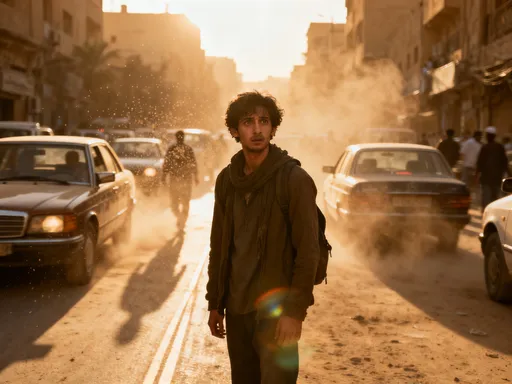
Stepping off the plane in Tripoli, the first thing that greets you isn’t a skyline or a tourist sign—it’s the air. Warm and thick with the scent of cumin, charred lamb fat, and wood smoke, it wraps around you like an invitation. I had come expecting ancient ruins, Ottoman-era mosques, and the quiet dignity of a North African capital shaped by centuries of trade and transition. What I hadn’t prepared for was how deeply food would become the heart of my experience. Within hours of arrival, a shopkeeper handed me a small paper cone of roasted chickpeas dusted with chili and salt. That simple gesture, offered without expectation, was the first thread in a much larger tapestry of generosity.
Libya’s reputation as a challenging destination for travelers is well known, but those who do make the journey often speak of a quiet warmth that defies headlines. Nowhere is this more evident than at the dining table. Meals here are not rushed affairs squeezed between sightseeing stops. They are events—sometimes lasting hours—where conversation flows as freely as the mint tea. I quickly realized that every bite came with context: a story about a grandmother’s recipe, a seasonal ingredient, or a dish tied to a regional celebration. Food wasn’t just sustenance; it was memory, identity, and connection served on a shared platter.
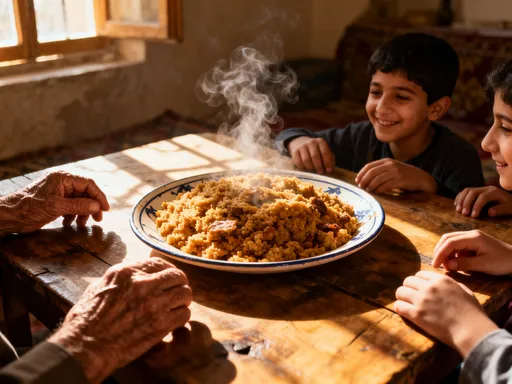
The role of hospitality in Libyan culture cannot be overstated, especially when it comes to food. It’s common for strangers to be invited into homes simply because they showed interest in a dish being prepared outside a doorway. I was once pulled into a courtyard where a family was shaping dough for bazeen, the national dish, and within minutes, I was seated on cushions, being fed by hand. Refusing would have been more than impolite—it would have broken an unspoken bond. This level of openness isn’t performative; it’s deeply rooted in tradition. In a country where resources have often been scarce, sharing a meal is one of the purest forms of trust and respect.
What Makes Libyan Specialty Dining Unique?
Libyan cuisine is a quiet masterpiece of cultural fusion, shaped by centuries of Mediterranean trade, Ottoman influence, and indigenous Berber traditions. Unlike flashier culinary scenes that dominate travel media, Tripoli’s food doesn’t rely on spectacle. Instead, it builds flavor slowly, layer by layer, using techniques passed down through generations. The result is a cuisine that feels both ancient and immediate—humble in presentation but powerful in taste. What sets it apart is not just the ingredients, but the philosophy behind the meal: food as a communal act, a moment to pause, connect, and honor tradition.
At the core of Libyan cooking are a few key ingredients that appear in nearly every regional variation. Dates, often grown in the oasis towns south of the capital, are used not only as a sweetener but as a base for sauces and stuffings. Lamb is the protein of choice, typically slow-cooked until tender, often with onions, tomatoes, and a blend of warm spices. Cracked wheat, known locally as burghul, forms the base of many stews and stuffings, offering a nutty depth that complements the richness of the meat. Perhaps most distinctive is the use of spice blends like ras el-hanout—a North African mix that can include up to two dozen components such as cumin, coriander, cinnamon, and dried ginger. These are never used to overwhelm, but to enhance, creating dishes that unfold in complexity with each bite.
Meals in Tripoli are not eaten in isolation. They are social rituals, often beginning with small appetizers like olives, yogurt, and fresh flatbread, followed by a main dish served in the center of the table. Diners eat together from the same plate, using pieces of bread to scoop up stews or shaping dough by hand. This shared style fosters intimacy and conversation, turning dinner into something closer to a ceremony. The pace is slow, almost meditative. There’s no rush to clear the table or move on to the next activity. Time is treated differently here—less as a commodity, more as a companion to savoring life’s simple pleasures. In a world increasingly obsessed with speed and efficiency, this approach feels radical, even revolutionary.
Off-the-Radar Eateries Only Locals Know
Some of the best meals I had in Tripoli didn’t come from restaurants with names or signs. They came from unmarked doorways, back-alley stalls, and family kitchens that open to the public only when the cook decides it’s worth the effort. These hidden gems are known only to locals, passed down by word of mouth like secrets. One such place was tucked behind a spice vendor in the old souk. There was no menu, no chairs, just a counter where an elderly woman served steaming bowls of asida to workers on their lunch break. I only found it because I followed the scent of fenugreek and honey, and when I pointed to what someone else was eating, she nodded and began shaping the dough with practiced hands.
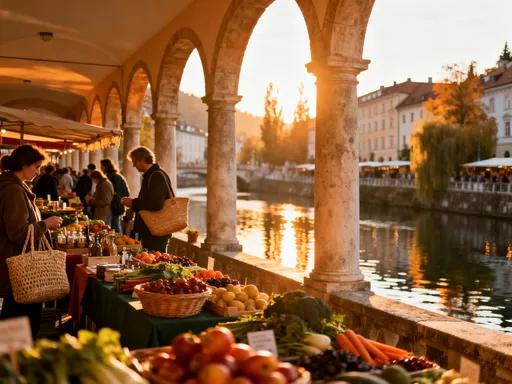
Finding these spots requires patience and a willingness to wander without a map. The best strategy is to observe—where are people gathering in the late afternoon? Which stalls have lines at dawn? Shopkeepers are often the most reliable guides. I learned to ask simple questions in broken Arabic, and more often than not, someone would respond with a smile and a pointed finger toward a courtyard or a narrow passage. Timing matters, too. Many of these places operate on their own rhythms, opening only when ingredients are fresh or closing early once the food runs out. There’s no online reservation system, no Instagrammable facade—just authenticity in its purest form.
One of the most striking aspects of these informal eateries is the absence of choice. You don’t order. You accept what is offered. This might sound limiting, but it’s actually liberating. Without the stress of decision-making, you surrender to the moment and the cook’s expertise. “Whatever’s fresh today” is the unofficial motto, and it’s a philosophy that honors seasonality and craftsmanship. One evening, I was handed a plate of grilled fish marinated in lemon and harissa, served with a side of roasted eggplant and flatbread. The owner simply said, “This is what the sea gave us.” No description, no price tag—just food, honest and immediate. In that simplicity, I found a kind of culinary truth that’s rare in modern dining.
Must-Try Dishes That Define Tripoli
If there’s one dish that captures the soul of Libyan cuisine, it’s bazeen. Often referred to as the national dish, bazeen is a hearty preparation of boiled barley dough shaped into a dome and topped with a rich stew of lamb, tomatoes, and spices. What makes it unique is the technique: the dough is whipped vigorously until it becomes smooth and elastic, then formed by hand into a crater that holds the stew. Eating it is a communal act—diners tear off pieces of the dough and use them to scoop up the savory sauce. It’s dense, comforting, and deeply satisfying, often served during family gatherings or religious holidays. To taste bazeen is to understand how food can be both simple and sacred.
Another must-try is asida, a dish that feels more like a ritual than a meal. Made from wheat flour cooked into a soft, porridge-like consistency, asida is traditionally served in a large communal bowl. What makes it special is the accompaniment: hilba, a pungent fenugreek dip that’s both bitter and earthy, balanced perfectly with a generous drizzle of honey. The contrast is startling at first—sweet and sharp, soft and tangy—but it quickly becomes addictive. I was told this dish is often prepared for celebrations, particularly after the birth of a child, symbolizing nourishment and new beginnings. Sharing asida is seen as an act of blessing, making it one of the most meaningful culinary experiences in Tripoli.
For those who love bold flavors, Tripoli’s grilled lamb skewers are a revelation. Marinated in garlic, cumin, and olive oil, then cooked over open flames, the meat arrives charred at the edges and tender at the center. It’s typically served with a spicy tomato and chili paste known as matbucha, which adds a bright, fiery kick. Unlike the standardized kebabs found in tourist districts elsewhere, these are deeply personal—each vendor has their own blend of spices, their own rhythm of grilling. Some wrap the meat in thin layers of flatbread with fresh parsley and onion; others serve it straight off the skewer with nothing but a side of pickled peppers. Either way, the flavor is unforgettable—smoky, rich, and alive with heat.
The Street Food Pulse: Where Flavor Meets the Sidewalk
Street food is the heartbeat of Tripoli’s culinary culture, pulsing through the city from dawn until well past midnight. The day often begins with the smell of msemen—a flaky, buttery flatbread—being folded and pressed on hot griddles outside corner shops. Vendors serve it warm, sometimes stuffed with cheese or honey, always accompanied by a small glass of steaming mint tea. This morning ritual isn’t just about eating; it’s about gathering. Men in work clothes, students with backpacks, and elders in traditional robes all converge at these simple stalls, sharing space and conversation before the day unfolds.
As the sun sets, the city’s energy shifts. Grills appear on sidewalks, their flames licking at skewers of lamb, merguez sausages, and chicken hearts. The air fills with the scent of cumin and smoked paprika. These night markets aren’t organized or regulated—they emerge organically, drawn by crowds and hunger. I found some of the best kebabs at a spot near the harbor, where a man in a stained apron cooked over a charcoal brazier, serving customers on paper plates balanced on crates. There were no tables, no menus, just a steady line of locals who knew exactly what they wanted. Order was restored not by rules, but by rhythm—everyone waited their turn, exchanged greetings, and left full and smiling.
For travelers, eating street food can raise concerns about hygiene and safety. In Tripoli, the best way to navigate this is to follow the crowd. Busy stalls mean high turnover, which usually indicates freshness. Look for vendors who handle food with tongs or gloves, and avoid anything sitting out in the open for hours. Drinking bottled water is wise, and it’s best to avoid raw vegetables unless you’re certain they’ve been washed in clean water. That said, many locals eat without issue, and the risk is often lower than expected—especially when you choose spots that are clearly trusted by the community. With a little caution and common sense, street food offers the most authentic taste of Tripoli’s soul.
Dining Like a Local: Etiquette, Timing, and Trust
To truly experience Tripoli’s food culture, it’s important to embrace local customs. One of the most noticeable differences for visitors is the practice of eating with the right hand. In many homes and informal settings, utensils are rare. Instead, bread or fingertips are used to scoop up stews and shape bites. At first, this might feel awkward, but it’s a sign of respect to participate. The right hand is used because, in Islamic tradition, the left is considered unclean. Even if you’re offered a fork, joining in the hand-eating tradition shows openness and appreciation.
Meal timing in Tripoli also follows a different rhythm. Lunch is often served late, around 2 or 3 p.m., and dinner can begin as late as 9 or 10 p.m. This isn’t laziness—it’s a cultural preference for long, unhurried meals. Rushing through food is seen as disrespectful to the cook and the moment. Conversations stretch across hours, punctuated by refills of tea and small dishes of dates or nuts. Guests are expected to stay as long as they’re welcomed, and leaving too soon can be interpreted as disinterest. If you’re invited into a home, don’t bring wine or pork—these are forbidden in Islam. A small gift like pastries, fruit, or tea is always appreciated and shows thoughtfulness.
One of the most powerful gestures in Libyan hospitality is the offering of tea or coffee. It’s rarely just a drink—it’s an invitation to connect. Refusing can be seen as a rejection of friendship. The tea is usually strong, sweet, and served in small glasses, often three in succession: the first bitter, the second sweet, the third smooth, symbolizing the stages of a relationship. Accepting it opens doors, builds trust, and often leads to deeper conversations. I’ve had some of my most meaningful exchanges while sitting on a low stool, sipping tea with a shopkeeper who started by asking where I was from and ended by sharing stories of his childhood. In that moment, food and drink weren’t just sustenance—they were bridges.
Why Tripoli’s Food Deserves Global Attention
For years, Libyan cuisine has remained hidden from the global spotlight, overshadowed by geopolitical instability and limited tourism infrastructure. But that’s beginning to change. Travelers and food enthusiasts are increasingly seeking destinations that offer authenticity over aesthetics, and Tripoli fits that desire perfectly. Social media has played a quiet but powerful role in this shift. A single photo of golden asida dripping with honey, or a video of bazeen being shaped by hand, can spark curiosity across continents. These glimpses don’t glamorize—they humanize. They show food not as a product, but as a practice, rooted in care and continuity.
Of course, challenges remain. The tourism sector is still developing, and reliable guides, translations, and safety information can be hard to find. Many of the best eateries don’t have websites or social media pages. But this lack of polish is also part of the appeal. There’s no algorithm deciding what’s “trendy.” What you get is real—unfiltered, unbranded, and deeply personal. For those willing to be patient and respectful, the rewards are immeasurable. Every meal becomes a discovery, every host a teacher.
The future of Tripoli’s food culture lies in balance: preserving tradition while welcoming outsiders. Some families are beginning to document their recipes, not to commercialize them, but to ensure they’re not lost. Others are cautiously opening small guesthouses where visitors can experience home cooking firsthand. These efforts aren’t about turning Tripoli into the next foodie hotspot—they’re about sharing a legacy. As more people seek meaningful travel experiences, there’s hope that the world will begin to recognize what Libyans have always known: that their cuisine is not just food, but a language of generosity, resilience, and pride.
Tripoli’s soul isn’t just in its ruins or souks—it’s on the plate. Each meal tells a story of resilience, generosity, and flavor that’s been passed down quietly, without fanfare. This isn’t trend-driven cuisine; it’s timeless. As more travelers seek authenticity over aesthetics, Tripoli’s table is ready. The question isn’t whether it’ll go viral—it’s how soon the world will finally show up to taste it.