You Won’t Believe These Hidden Natural Gems in Tampere – A Photographer’s Dream
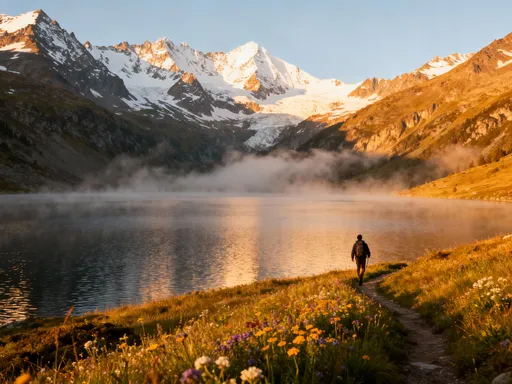
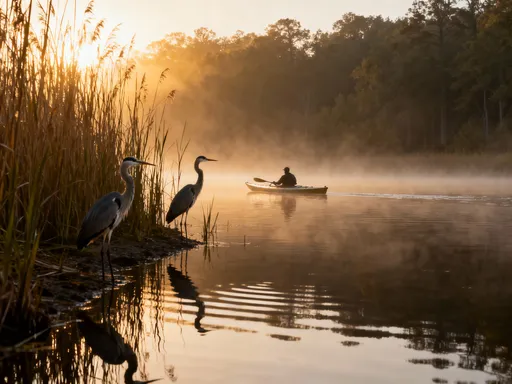
Tampere, Finland, isn’t just about lakes and red-brick factories—it’s a paradise for nature photographers. I went there chasing light, water, and silence, and found more than I ever expected. From misty mornings on forest trails to golden sunsets over calm waters, every frame felt like a postcard come to life. This city blends urban charm with wild beauty in a way that’s totally unique. If you’re into landscape photography, you need to see this.
Why Tampere is a Natural Landscape Photographer’s Hidden Playground
Tampere sits at the heart of Finland’s lake region, where vast bodies of water meet dense boreal forests and rolling ridges. Nestled between Lake Näsijärvi and Lake Pyhäjärvi, the city forms a green corridor teeming with natural contrast and visual depth. These two large lakes stretch beyond the city limits, offering endless shoreline compositions, reflective surfaces, and shifting light patterns that evolve with the hours. The terrain rises gently in places, creating natural vantage points that photographers can use to frame sweeping vistas without venturing far from urban conveniences.
What sets Tampere apart is its transitional geography. Located where southern Finnish woodlands blend into the broader lake district, the area supports a rich mix of tree species—tall pines, silver birches, and spruce forests—that change character with the seasons. In spring, soft greens emerge beneath lingering snow patches; summer brings deep foliage and vibrant moss carpets; autumn ignites the landscape in copper, gold, and crimson; and winter transforms it into a monochrome wonderland of frost and snow-laden branches. This seasonal rhythm provides photographers with a dynamic canvas throughout the year.
For those planning a visit, timing can make all the difference. Winter days are short, but the low sun angle produces extended golden hours, ideal for soft, directional lighting. Summer offers nearly 19 hours of daylight around mid-June, allowing for early morning shoots and late evening twilight sessions. The shoulder months—May and September—are especially rewarding, with milder weather, fewer crowds, and balanced light. Whether you're drawn to misty dawns or dramatic dusk skies, Tampere’s natural rhythm aligns beautifully with the photographer’s instinct to capture fleeting moments.
Lake Näsi and the Magic of Golden Hour Reflections
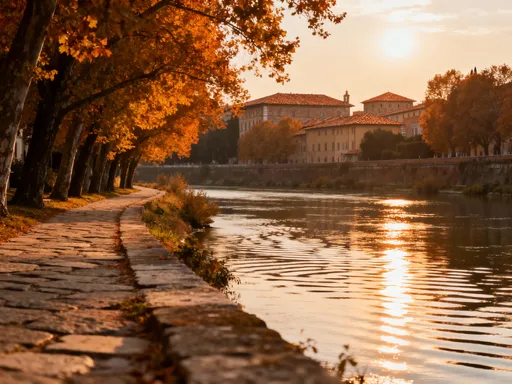
Lake Näsi, part of the larger Näsijärvi system, offers some of the most serene waterscapes in southern Finland. Its surface, especially during calm mornings, becomes a flawless mirror reflecting the sky, shoreline trees, and passing clouds. This makes it a prime location for landscape photographers seeking symmetrical compositions and ethereal mood. The best time to visit is just before sunrise, when the air cools overnight settles into stillness and the first hints of color bleed across the eastern horizon. At that moment, the lake seems to hold its breath, waiting for the light to arrive.
Photographers often gather at designated viewpoints along the western shore near the Hervanta district or along the walking paths near the Näsinneula Tower. These elevated spots provide unobstructed sightlines across open water, perfect for wide-angle lenses. A 16–35mm lens captures the full sweep of sky and reflection, while a telephoto lens can isolate distant silhouettes of trees or birds in flight. For those interested in minimalist compositions, a single pine tree standing at the water’s edge against a gradient sky can become a powerful focal point. The key is patience—waiting for ripples to fade and for the perfect balance of light and shadow to emerge.
To maximize success, it helps to arrive at least 45 minutes before sunrise. This allows time to set up a tripod securely, adjust camera settings, and scout nearby compositions. Wind is the main challenge; even a light breeze can disrupt reflections. Checking local weather forecasts for wind speed and direction the night before increases the odds of catching a glassy surface. Using a polarizing filter can enhance contrast between sky and water, but it should be used carefully—over-polarization may eliminate the very reflections you’re trying to capture. Additionally, shooting in manual mode with a low ISO and small aperture (f/8 to f/16) ensures sharp, detailed images with deep depth of field.
Pyynikki Nature Reserve: Forest Paths and Panoramic Vistas
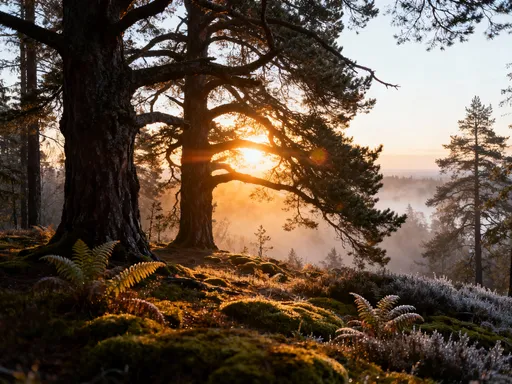
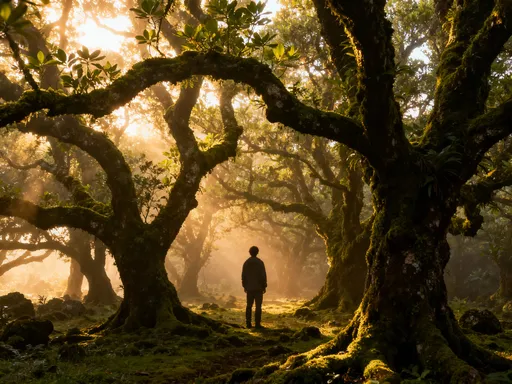
Deep within Tampere lies Pyynikki, one of Finland’s oldest and most cherished nature reserves. Known for its ancient pine forest and esker ridge formed during the last Ice Age, the area offers a rare glimpse into untouched boreal woodland. The towering Scots pines, some over a century old, rise like sentinels above a carpet of lichen, moss, and juniper. Walking through the reserve feels like stepping into a timeless forest—quiet, shaded, and rich with texture. For photographers, this environment presents endless opportunities to capture natural patterns, contrast, and depth.
The Pyynikki Observation Tower, perched atop the highest natural esker in the world, is a must-visit destination. Built in the 1920s and recently renovated, the tower rises 26 meters above ground and offers a 360-degree panorama of the surrounding lakes, forests, and city skyline. At sunrise, the eastern sky ignites in warm tones while the city below remains in soft shadow—a perfect moment for layered compositions. The contrast between natural and urban elements is subtle yet striking, emphasizing how closely Tampere integrates with its environment. Long lenses can compress distant details, while wide-angle shots capture the vastness of the landscape spreading out in all directions.
Equally compelling are the forest trails that weave through the reserve. The main path follows the ridge, winding beneath a canopy that filters sunlight into dappled patterns on the forest floor. This interplay of light and shadow creates natural drama, especially when photographed with a slightly underexposed image to preserve highlights. Using a mid-range aperture (f/5.6 to f/8) allows for both subject clarity and background blur, drawing attention to specific textures—like the rough bark of a pine or the delicate structure of reindeer lichen. A macro lens can reveal even finer details: dewdrops on spiderwebs, frost crystals clinging to moss, or the intricate veins of a fallen leaf.
Hiking Trails That Lead to Picture-Perfect Moments
Tampere’s network of hiking trails connects natural areas in a way that makes exploration both accessible and rewarding. Among the most photographed is the Pyynikki Ridge Trail, a well-maintained route that stretches nearly five kilometers along the esker. Marked with wooden signs and gravel paths, it’s suitable for all skill levels and offers continuous visual interest. Along the way, side paths lead to secluded clearings, rocky outcrops, and hidden overlooks—each one a potential frame waiting to be discovered. The trail’s elevation changes create natural framing opportunities, with trees and branches forming leading lines that guide the eye toward distant lakes or sunlit clearings.
Another favorite is the route from Pyynikki to Lake Pyhäjärvi via the Keskustaajama trail. This path descends gradually through mixed forest before opening onto a quiet shoreline ideal for reflection photography. During autumn, the trail becomes a corridor of color, with birch leaves turning bright yellow and rowan berries adding splashes of red. In winter, snow-covered branches arch overhead like a cathedral ceiling, and frozen puddles offer miniature reflections of the sky. These seasonal transformations remind photographers that the same trail can yield entirely different images depending on the time of year.
When hiking for photography, gear preparation is essential. A lightweight tripod is invaluable for stabilizing shots in low light or during long exposures. A polarizing filter enhances sky contrast and reduces glare on wet surfaces, while a neutral density (ND) filter enables slower shutter speeds for silky water effects. Carrying extra batteries is wise—cold weather drains power quickly. Wearing layered clothing ensures comfort during long waits for the perfect light. And while smartphones are useful for navigation, keeping digital distractions to a minimum helps maintain focus on the surroundings. The goal is not just to reach a destination, but to move mindfully through the landscape, noticing small details that might otherwise go unseen.
River Tammerkoski: Where Urban Meets Wild
Flowing through the center of Tampere, the Tammerkoski Rapids are a powerful symbol of the city’s relationship with nature. Once harnessed for industrial energy, the river now serves as a dramatic natural feature framed by stone embankments, moss-covered boulders, and iron bridges. The water rushes between rocky islets, creating white foam, swirling eddies, and rhythmic patterns that change with the flow. For photographers, this dynamic environment offers compelling subjects—from wide shots of the cascading river to close-ups of water droplets catching the light.
One of the most effective techniques here is long-exposure photography. Using shutter speeds of several seconds, the moving water transforms into a smooth, misty veil that contrasts with the solidity of rocks and structures. To achieve this, a tripod is essential, along with an ND filter to reduce light intake during daylight hours. A typical setup might include ISO 100, f/16, and a 5- to 10-second exposure, depending on water speed and ambient light. Shooting during overcast conditions or in the early morning helps prevent overexposure while maintaining even tonality across the scene.
What makes Tammerkoski especially interesting is how it blends raw natural energy with quiet signs of urban life. Wooden walkways, historic mill buildings, and bicycle paths run alongside the rapids, but they never overpower the sense of wildness. A well-composed shot can include a rusted metal railing in the foreground, leading the eye toward the turbulent water beyond—a subtle reminder of human presence without disrupting the natural focus. Early risers may capture the river shrouded in morning mist, with the first sunlight piercing through the trees. These moments, fleeting and atmospheric, embody the poetic tension between city and wilderness that defines Tampere.
Weather & Light: Mastering Finland’s Unique Conditions
Finland’s northern latitude brings distinctive lighting conditions that shape the photographic experience. The sun travels a low arc across the sky, especially in winter, producing extended periods of soft, golden light in the morning and evening. This “Nordic glow” bathes landscapes in warm tones and casts long, dramatic shadows—ideal for adding depth and dimension to images. Even on overcast days, the diffused light can be advantageous, minimizing harsh contrasts and enhancing the saturation of greens, browns, and blues found in forests and waters.
Understanding how light changes throughout the year is crucial for planning successful shoots. In December, the sun barely rises above the horizon, offering only a brief window of usable light. Yet, this period also brings a unique stillness and a pale, silvery illumination that can lend a dreamlike quality to photographs. Conversely, in June and July, twilight lingers late into the night, allowing for extended shooting sessions. The “blue hour” after sunset can last up to two hours, providing ample opportunity for cityscape and waterscape photography with rich, cool tones.
Weather in Tampere can shift rapidly, especially during spring and autumn. A sunny morning may give way to sudden rain or fog by midday. Rather than seeing this as a setback, photographers can embrace these changes as creative opportunities. Fog softens edges and creates mystery, turning familiar trails into ethereal pathways. Rain brings out deep colors in moss and bark, while wet surfaces enhance reflections. Carrying a weather-resistant camera bag and using lens cloths to manage moisture ensures equipment stays protected. Apps like Yr.no or Finland’s Meteorological Institute provide accurate hourly forecasts, helping photographers anticipate conditions and adapt their plans accordingly. The ability to work with, rather than against, the weather is a hallmark of skilled outdoor photography.
Responsible Photography: Preserving the Beauty You Capture
As photography becomes more popular in natural areas, the responsibility to protect these spaces grows. Tampere’s forests, lakes, and trails are fragile ecosystems that can be easily disrupted by careless behavior. Staying on marked paths is one of the simplest yet most effective ways to minimize impact. Trampling vegetation or creating new trails can damage root systems, erode soil, and disturb wildlife. Many of the mosses and lichens found in Pyynikki, for example, grow extremely slowly—some taking decades to form. A single footstep can undo years of natural growth.
Respecting quiet zones and private areas is equally important. Some shoreline spots near residential neighborhoods are not intended for public access. While they may offer tempting compositions, entering these areas violates privacy and local regulations. Instead, photographers should seek out designated viewing platforms, parks, and public trails that provide excellent vantage points without encroaching on personal space. The Finnish concept of “everyman’s right” (jokamiehenoikeus) allows responsible access to nature, but it comes with the duty to leave no trace, avoid noise, and refrain from disturbing animals or plants.
Finally, sharing images carries influence. When posting photos online, consider including tips on sustainable practices—such as packing out trash, avoiding drone use in sensitive areas, and visiting during off-peak hours to reduce congestion. Encouraging others to photograph with care helps preserve the very beauty we seek to capture. Photography is not just about taking images; it’s about fostering a deeper connection with nature and inspiring others to protect it. In Tampere, where nature and city coexist so harmoniously, this responsibility feels both natural and necessary.
Tampere proves that stunning natural landscapes don’t always require remote wilderness. With its seamless blend of forest, water, and sky, it offers photographers authentic, emotionally rich scenes just minutes from the city center. Whether you’re chasing reflections at dawn or walking silent pine trails, every shot tells a story of harmony between nature and place. This isn’t just a destination—it’s an invitation to see Finland’s quiet soul through your lens.